Ayurveda’s Enduring Relevance in Modern Healthcare: Insights from KGH Ayurveda’s Journey in Telangana and Andhra Pradesh
4 min read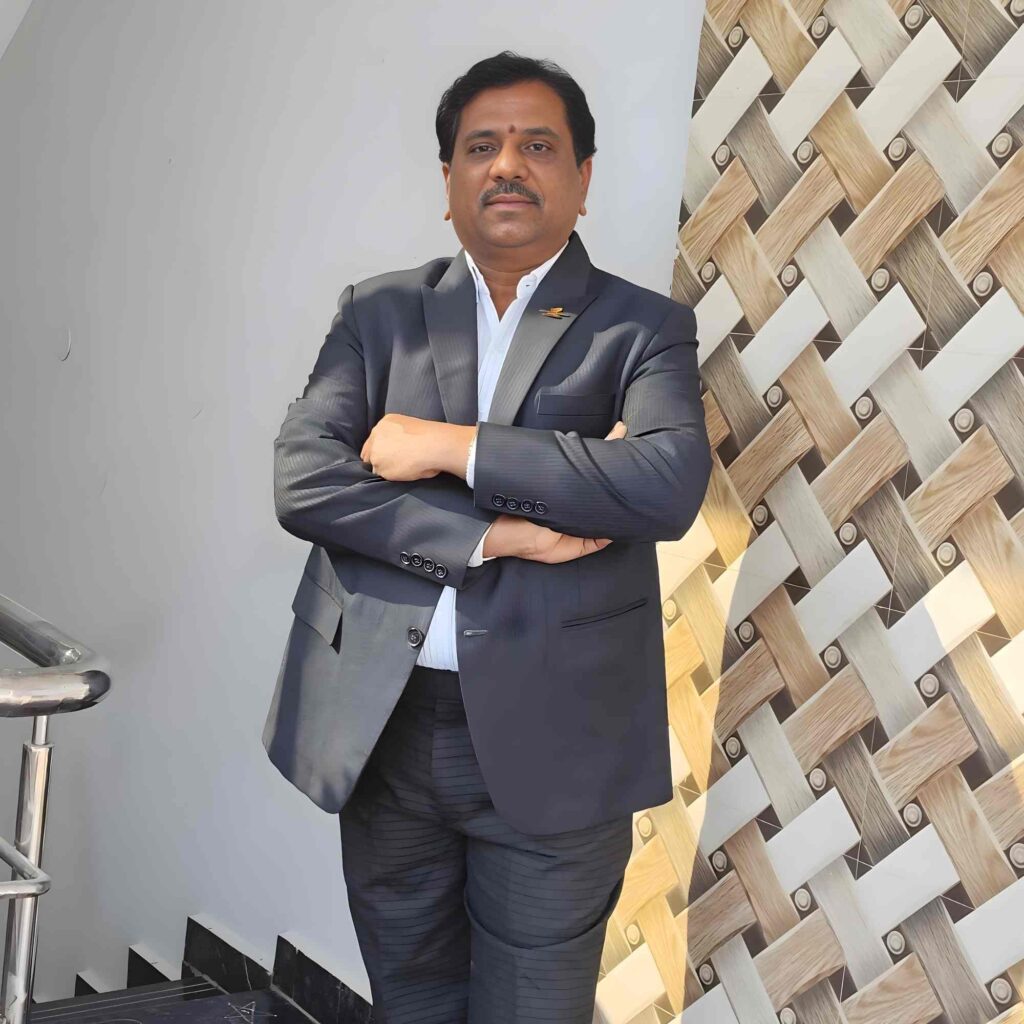
As India’s healthcare landscape continues to evolve under the pressure of lifestyle diseases, rising treatment costs, and an increasing search for holistic wellness, traditional systems of medicine such as Ayurveda are witnessing renewed public interest. Beyond urban wellness centres and packaged therapies, there are institutions that have quietly worked for decades at the grassroots level, integrating classical Ayurvedic principles with community health needs. One such institution is KGH Ayurveda, founded and led by Dr. K. Anil Kumar, whose work offers a telling snapshot of how traditional medicine has sustained its relevance in a changing medical ecosystem.
Established in 1996 in Kushaiguda, ECIL, KGH Ayurveda began at a time when awareness of alternative medicine was limited largely to rural pockets and select urban believers. Nearly three decades later, the institution stands as an example of continuity in care, with a focus on preventive health, chronic disease management, and community outreach rather than commercial expansion alone.
Ayurveda and Community-Centric Healthcare
Unlike corporate hospitals that focus primarily on tertiary care, Ayurveda-based institutions such as KGH Ayurveda have historically played a complementary role in public health. They often address chronic conditions, lifestyle disorders, and post-treatment rehabilitation-areas where modern medicine sometimes struggles with long-term solutions.
According to healthcare observers, this model becomes especially significant in semi-urban and suburban areas like ECIL, where access to affordable and continuous care is essential. Since its inception, KGH Ayurveda has reportedly organised over 100 medical camps in and around the ECIL region, focusing on early diagnosis, general health awareness, and preventive practices rooted in Ayurveda.
These camps have ranged from general health check-ups to condition-specific consultations, particularly for joint disorders, digestive issues, and stress-related ailments-conditions commonly managed through Ayurvedic protocols. Public health experts note that such outreach initiatives help bridge gaps in healthcare access, especially for economically weaker sections.
India Prime Times Team Interaction
During a recent visit, the India Prime Times editorial team met Dr. K. Anil Kumar at his facility to understand how Ayurveda-based hospitals function in today’s regulatory and competitive healthcare environment. The interaction was less about accolades and more about ground realities-patient expectations, regulatory compliance, and sustaining trust over decades.
What stood out during our interaction was the emphasis on continuity of care. Dr. Anil Kumar spoke about patients who have been associated with the hospital for years, sometimes across generations. While he refrained from making claims that could be interpreted as promotional, he highlighted a consistent patient load, largely driven by word-of-mouth rather than aggressive marketing.
The team also observed the structured approach followed at the facility-patient documentation, follow-ups, and integration of diagnostic insights with classical Ayurvedic treatments. This operational discipline, often associated with modern hospitals, reflects a shift within traditional medicine institutions adapting to contemporary standards.
Recognition and Public Service
Dr. K. Anil Kumar’s work has also intersected with public service and community leadership. In 2000, he received a “Best Doctor Award” from the Government of Andhra Pradesh, a recognition that came relatively early in his professional journey. Health administrators from that period have often cited the role of private practitioners in extending public healthcare reach, particularly through free camps and awareness drives.
Beyond clinical practice, Dr. Anil Kumar has been associated with several social and service organisations, including leadership roles in Lions Clubs and involvement with local welfare associations such as Azad Welfare Association and Mana Sneham. While such affiliations are not uncommon among senior medical professionals, they underline a broader approach to health-one that includes social well-being alongside physical treatment.
Ayurveda in a Regulatory Era
One of the major challenges facing Ayurveda today is regulatory compliance and standardisation. With increased scrutiny from health authorities and rising patient awareness, institutions are expected to maintain clear protocols, ethical practices, and transparency in treatment outcomes.
During our conversation, Dr. Anil Kumar acknowledged these challenges, noting that Ayurveda practitioners today operate in a far more regulated environment than in the 1990s. Documentation, hygiene standards, and patient education have become non-negotiable. This shift, experts say, is crucial for Ayurveda’s credibility, especially among younger, urban populations who often approach traditional medicine with caution.
The Larger Industry Context
India’s traditional medicine sector, including Ayurveda, Yoga, Unani, Siddha, and Homeopathy (AYUSH), has seen policy-level support over the last decade. Government initiatives, research funding, and international promotion have contributed to renewed interest. However, the success of these systems ultimately depends on institutions and practitioners who maintain consistency at the ground level.
Healthcare analysts argue that long-standing centres like KGH Ayurveda represent the “silent backbone” of this sector-entities that may not dominate headlines but sustain patient trust over time. Their role becomes even more critical as lifestyle diseases rise and patients seek long-term management rather than episodic treatment.
Looking Ahead
As India balances modern medical advancements with traditional knowledge systems, the coexistence of both models appears inevitable. Institutions rooted in Ayurveda are increasingly required to evolve-not by diluting their principles, but by aligning with modern expectations of safety, documentation, and patient engagement.
From our interaction, it was evident that KGH Ayurveda’s journey mirrors this broader transition. The focus remains on service delivery, community engagement, and continuity rather than rapid expansion. For patients and policymakers alike, such examples provide insight into how traditional healthcare models can remain relevant without losing their foundational ethos.
For readers of India Prime Times, the story of KGH Ayurveda is less about an individual profile and more about an industry narrative-one that highlights how decades-old healthcare practices continue to adapt, serve, and coexist within India’s complex medical landscape.