Grassroots Public Health and Social Awareness Efforts Continue to Shape Northern Andhra Pradesh
5 min read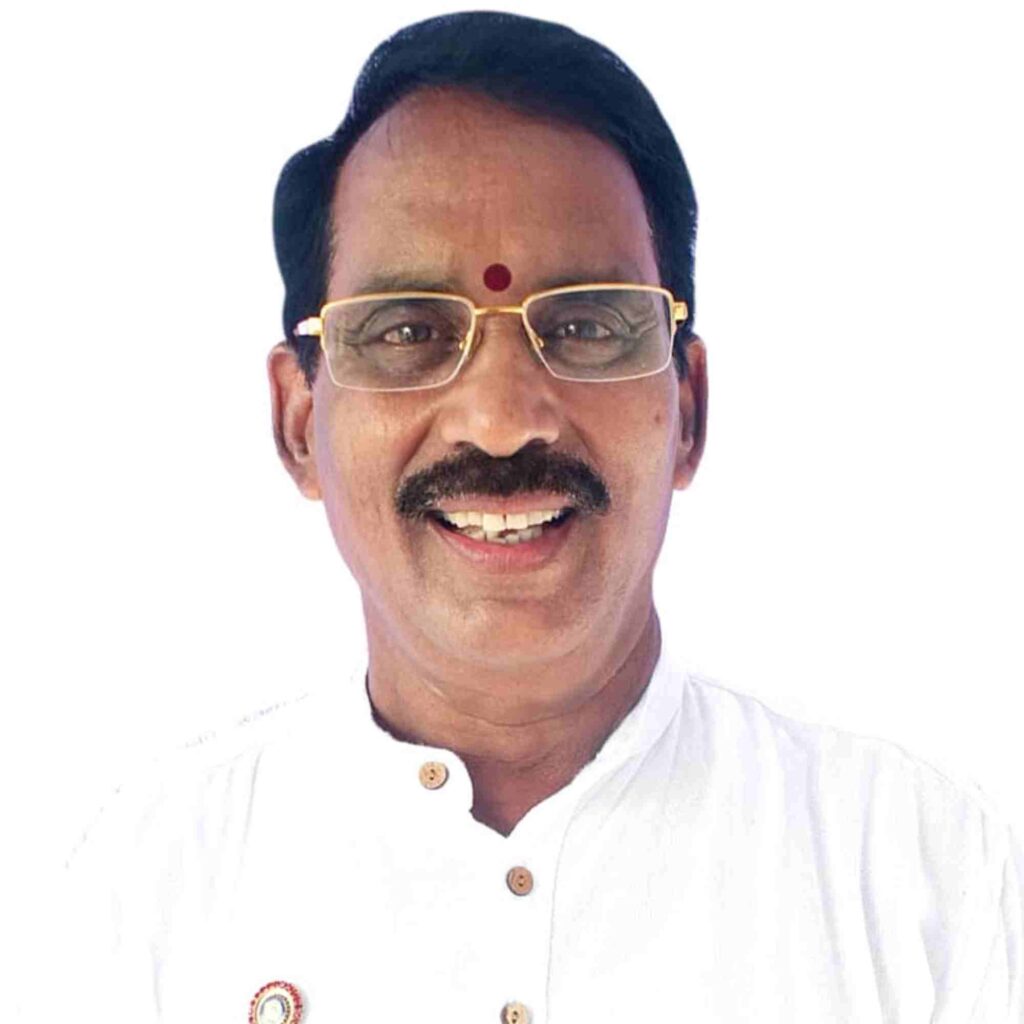
As India continues to address complex public health challenges alongside deep-rooted social issues, the role of grassroots activists remains critical. While large-scale government programmes and national campaigns often dominate headlines, sustained change on the ground frequently comes from individuals who work quietly across decades, building trust within communities. In northern Andhra Pradesh, particularly the backward districts of Srikakulam and the broader Uttarandhra region, long-term social mobilisation and health awareness efforts have played a decisive role in improving outcomes related to disease prevention, literacy, and civic responsibility.
One such ongoing effort has been led by Dr. Mantri Venkata Swamy, a homeopathic medical practitioner and social activist whose work spans nearly five decades. His activities reflect a larger pattern of community-driven public health education and humanitarian service that continues to support state and national objectives in healthcare and social reform.
The India Prime Times editorial team recently met Dr. Swamy in Srikakulam to better understand how sustained, non-institutional social work contributes to public welfare, particularly in regions where access to healthcare and education has historically been limited. Our interaction focused less on individual recognition and more on the systems, outreach models, and persistence required to make long-term impact at the grassroots level.
Public Health Outreach Beyond Hospitals
Northern Andhra Pradesh has long faced challenges related to healthcare access, communicable diseases, and health awareness, especially in tribal and rural areas. In such regions, medical camps and awareness drives often serve as the first point of contact between communities and formal healthcare systems.
Over the years, Dr. Swamy has been involved in organising thousands of free medical and awareness camps, many of them in remote agency areas where regular medical facilities are scarce. These camps have addressed issues such as polio immunisation, tuberculosis awareness, HIV/AIDS education, leprosy detection, and general preventive healthcare.
Public health officials acknowledge that such efforts complement government programmes by increasing community participation. Awareness campaigns help dispel fear, reduce stigma, and encourage early intervention-key factors in controlling communicable diseases. During our interaction, Dr. Swamy emphasised that consistent follow-up and local trust are as important as medical intervention itself.
Role in Disease Awareness and Prevention
India’s success in polio eradication and progress in HIV awareness have relied heavily on field-level coordination. Social activists and medical practitioners working at the community level have played a crucial role in translating policy into action.
Dr. Swamy has been associated with pulse polio and surveillance initiatives for over 15 years, working alongside organisations such as the Rotary Club and district health departments. In addition, he has coordinated tens of thousands of HIV awareness programmes across Andhra Pradesh and neighbouring Odisha districts.
From a public health perspective, these campaigns are significant not only for their scale but for their reach into populations that are often left out of mainstream communication channels. The India Prime Times team observed that many of these programmes were conducted in local languages and tailored to the cultural context of each community.
Social Awareness as a Tool for Change
Beyond healthcare, social reform has been a consistent focus of Dr. Swamy’s work. Awareness campaigns addressing issues such as child labour, dowry practices, gender equity, road safety, environmental protection, and consumer rights have formed a large part of his outreach.
Experts in community development note that addressing social determinants of health-such as education, gender equality, and sanitation-is essential for long-term improvement in health indicators. Adult literacy initiatives, legal literacy programmes, and campaigns promoting women’s empowerment often have ripple effects across generations.
According to data shared during our interaction, Dr. Swamy has been involved in adult education initiatives since the late 1970s, helping improve literacy among rural populations. These programmes align with broader national goals of inclusive education and social equity.
Blood Donation and Emergency Response
One area where community leadership has had a visible impact is voluntary blood donation. In districts where organised blood banks were once limited, awareness and participation depended largely on individual initiative.
Dr. Swamy is credited with initiating and supporting over a thousand voluntary blood donation drives in Srikakulam district. Health officials point out that such drives are critical during emergencies and for maintaining adequate blood reserves in government hospitals.
During our visit, members of the India Prime Times team spoke with local organisers who noted that early leadership in blood donation helped normalise the practice among youth and community groups, creating a culture of voluntary participation that continues today.
Recognition Reflecting Broader Impact
Over the years, Dr. Swamy’s work has received recognition at district, state, national, and international levels, including awards related to public health, social service, and humanitarian outreach. While accolades themselves are not measures of impact, they often reflect sustained engagement across multiple sectors.
Public administrators familiar with his work describe it as an example of how individual commitment can reinforce institutional efforts. Recognition from bodies associated with health, human rights, and social welfare underscores the cross-sectoral nature of grassroots service.
A Larger Industry and Policy Context
India’s public health and social development strategies increasingly recognise the importance of community participation. Whether in disease control, literacy, or social reform, policies are most effective when supported by local leaders who understand regional realities.
The story emerging from northern Andhra Pradesh illustrates this dynamic. Long-term social activists and medical practitioners act as bridges between policy frameworks and everyday life, ensuring that programmes reach intended beneficiaries.
From the India Prime Times team’s interaction with Dr. Mantri Venkata Swamy, one clear insight emerged: sustained social change is rarely the result of short-term interventions. It is built through decades of consistent engagement, trust-building, and adaptability.
Looking Ahead
As India continues to tackle emerging health challenges alongside persistent social issues, the role of grassroots leaders remains indispensable. While technology, infrastructure, and funding are critical, human effort at the community level often determines outcomes.
The ongoing work in Srikakulam and the wider Uttarandhra region serves as a reminder that behind national statistics are countless local initiatives driven by individuals committed to public welfare. For readers, policymakers, and practitioners alike, such examples highlight the importance of supporting and strengthening community-led approaches in India’s development journey.