
Bangladesh’s T20 World Cup Standoff: Government Refuses to Send Team to India, ICC Gives Ultimatum
4 min read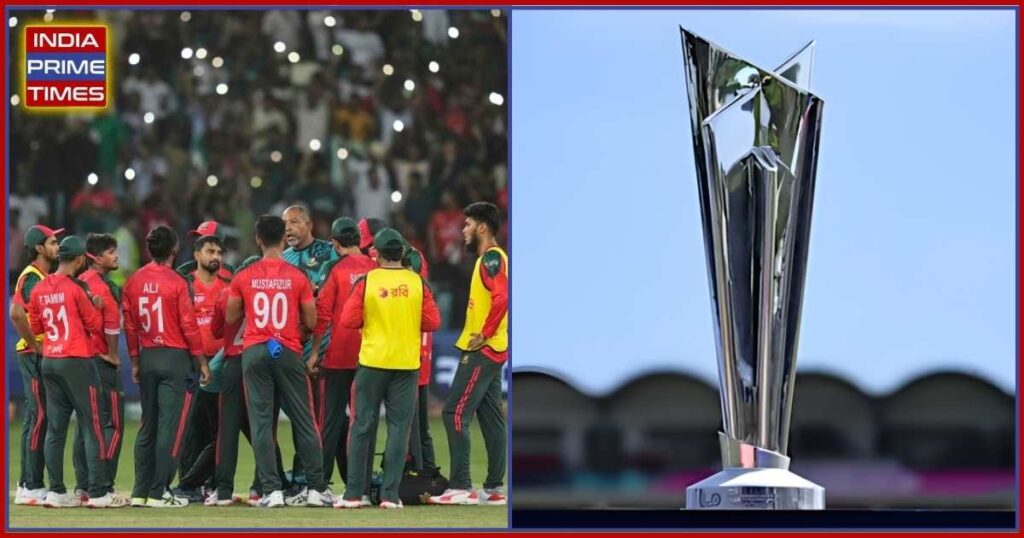
Bangladesh has taken an unprecedented step in modern cricket diplomacy: the government has ordered the national team not to travel to India for the ICC Men’s T20 World Cup 2026, citing unresolved security concerns. The International Cricket Council (ICC) has rejected Bangladesh’s request to shift its Group C fixtures to co-host Sri Lanka and has given Dhaka a short deadline – failure to reverse course could see Bangladesh replaced in the tournament.
Below is a concise, journalistically rigorous breakdown of the standoff, its background, immediate consequences and what to expect next.
Quick snapshot – the facts that matter
- Who: Bangladesh government and Bangladesh Cricket Board (BCB) vs the ICC (and indirectly, host authorities in India).
- What: Bangladesh has refused to send its men’s team to India for the T20 World Cup (Feb 7–Mar 8, 2026). The BCB asked the ICC to relocate their matches to Sri Lanka; the ICC declined and issued an ultimatum.
- Immediate risk: ICC warned it will replace Bangladesh (Scotland is the likeliest candidate) if Dhaka does not confirm travel within the deadline.
How we got here – background in plain terms
- Trigger: The row gained steam after Kolkata Knight Riders (KKR) removed Mustafizur Rahman from its IPL squad following pressure related to political developments in Bangladesh; Dhaka viewed that move as evidence India could not guarantee security for its players. KKR’s release of Mustafizur was widely reported and cited by Bangladeshi officials.
- Escalation: The BCB sought to have its Group C matches (three in Kolkata and one in Mumbai) shifted to Sri Lanka, arguing player safety and national dignity. The ICC reviewed independent security assessments and venue plans and concluded there was no credible threat to Bangladesh players in India – it refused the relocation request.
- Government stance: Bangladesh’s Youth and Sports Adviser Asif Nazrul and other senior officials backed the BCB’s demand; the government directed the board and players not to travel. Officials argued that the Mustafizur episode undercut confidence in India’s assurances.
Timeline – key moments (January 2026)
- Early January: KKR releases Mustafizur from IPL squad after BCCI instruction; controversy erupts.
- Mid-late January: BCB requests ICC to move Bangladesh’s matches to Sri Lanka. ICC refuses after security assessments.
- Jan 21–22: Bangladesh government confirms it will not allow the team to travel; ICC issues a short ultimatum and warns of replacement.
What the ICC says – and why it matters
The ICC maintains it conducted “sustained and constructive dialogue” with the BCB, shared independent security reviews and received formal assurances from host authorities; all assessments reportedly showed no verifiable threat to players, officials or fans in India. The ICC says relocating matches on the basis of a single unrelated incident would set a damaging precedent for future tournaments.
If Bangladesh refuses to comply, the ICC is prepared to replace them with the next-highest ranked team from Group C (Scotland is the frontrunner), a move that would be unprecedented in post-WC-era logistics and carry deep sporting and commercial ramifications.
Consequences – who loses and how badly
Sporting impact
- Players: For many Bangladesh cricketers, the World Cup is a once-in-a-career stage. Missing it denies them exposure, potential league contracts and critical international experience – especially younger squad members yet to make a global impact. Domestic morale and career trajectories may be hit hard. (Player voices reportedly urged a pragmatic resolution.)
Financial fallout
- Board & sponsors: Bangladesh stands to lose significant broadcast and sponsorship revenue tied to ICC events; uncertainty may prompt commercial partners to rethink commitments. The BCB’s balance sheet and future investment in grassroots programmes could be affected. Journalists and analysts in Dhaka have warned of a substantial financial hit if Bangladesh is absent.
Diplomatic and long-term implications
- Bilateral relations: The standoff layers sport atop already fragile India–Bangladesh ties; it may complicate co-hosting plans for future ICC events (including the shared 2031 ODI World Cup) and other bilateral exchanges. Observers warn of a potential reputational cost for both cricket governance and diplomatic channels.
The players’ position – caught in the middle
Reports indicate players were consulted in a meeting with the sports adviser and BCB officials but many felt their views had limited weight. Senior figures such as Tamim Iqbal and Najmul Hossain Shanto reportedly voiced pragmatic opinions favouring participation, but the government’s security directive appears to have prevailed. Sources say players were reluctant to publicly contradict the official line.
Is Bangladesh being treated unfairly?
Bangladesh officials have invoked past precedents where teams or boards were given neutral venues on security grounds (notably incidents involving Pakistan and earlier neutral tournament arrangements) and argue for parity. The ICC counters that each request is judged on its own merit and that, in this case, independent security reports did not substantiate Bangladesh’s fears. The debate raises uncomfortable questions about consistency and influence in global cricket governance.
What happens next – immediate watchlist
- Bangladesh’s final decision within the ICC-set deadline – accept travel or face replacement.
- Potential replacement announcement by ICC (Scotland is reportedly the likely stand-in).
- Regulatory and financial aftershocks – sponsors, broadcasters and the BCB will gauge long-term damage.
- Diplomatic conversations between New Delhi and Dhaka behind closed doors to try to defuse the situation – if they happen, they could offer a pathway back to the tournament.
Bottom line – sport, security and sovereignty
This is more than a scheduling dispute. It sits at the intersection of player safety, national pride, cricket governance and geo-politics. If Bangladesh withdraws, the immediate consequence is sporting-team absent, players denied the stage they earned. But the longer-term fallout – financial losses, damaged relations with ICC and India, and hesitation by other nations to co-host or schedule visits – could reshape Bangladesh cricket for years.
India Prime Times will continue to monitor official communications from the BCB, the ICC and the Bangladesh government and will publish verified updates, including any formal replacement announcement and the final status of Bangladesh’s participation.