India restaurants ration menus, shorten hours as commercial LPG crunch spreads
4 min read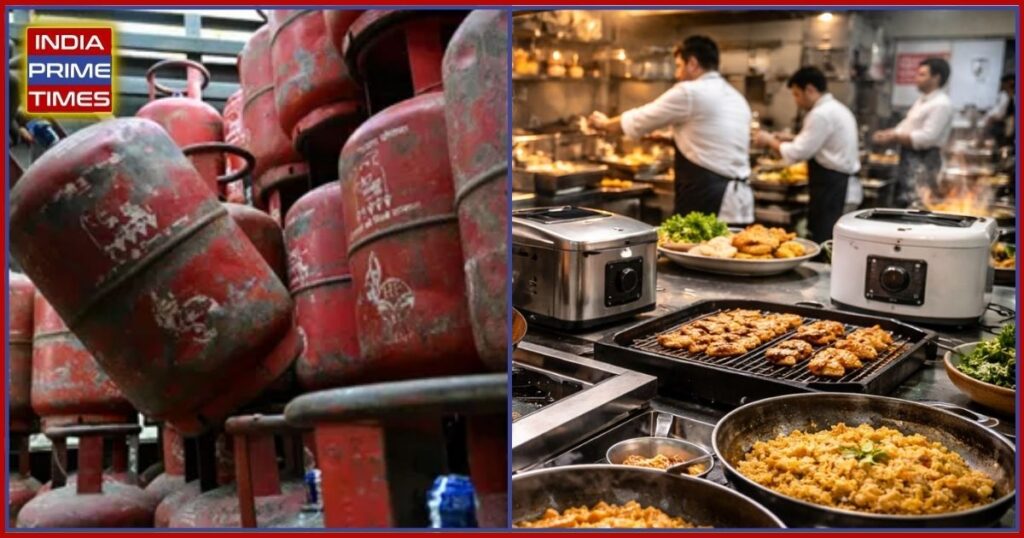
Key takeaway: With commercial LPG supplies squeezed by international disruptions, restaurants, institutional canteens and small businesses across the country are rationing fuel, cutting menu items (rava dosas, parottas, biryani, pizza), shortening operating hours and switching to alternatives such as induction stoves or slow-cooking techniques. The shortages – linked to interruptions in maritime fuel routes – have prompted government curbs and fresh warnings from the hospitality sector.
What happened (brief)
Across cities, food outlets and institutional kitchens that rely on commercial LPG cylinders say deliveries have dipped or been delayed. Menu staples that require prolonged flame time – layered parottas, rava dosas, coal-tandoor biryanis and some pizzerias’ gas-fired ovens – are being temporarily pulled from menus. Several canteens are limiting service to cold options or beverages while they await fresh supplies.
Examples on the ground include a popular eatery on Infantry Road in Bengaluru that posted “only tea and coffee today,” and reports that the lawyers’ canteen at the Delhi High Court has suspended hot main-course service until gas availability improves.
Why this is happening – background in plain terms
The immediate trigger is a disruption to liquefied petroleum gas (LPG) and liquefied natural gas (LNG) flows linked to geopolitical tensions in West Asia, which have tightened tanker schedules through strategic chokepoints such as the Strait of Hormuz. Reduced import availability at a time of steady domestic demand has forced suppliers and regulators to prioritise household cylinders and essential public services.
To manage the situation the Union government – through the Ministry of Petroleum and Natural Gas – has invoked emergency measures: a longer minimum interval between household cylinder bookings (to discourage hoarding), prioritisation of piped gas consumers and essential services, and placing LPG/CNG on a priority list under the Essential Commodities Act. Commercial LPG allocations have been temporarily curtailed, leaving restaurants and other non-domestic users scrambling for alternatives.
Who’s sounding the alarm
The restaurant trade body has warned of severe consequences if the shortage continues. The National Restaurant Association of India (NRAI) has signalled that a prolonged commercial-cylinder crunch could force many outlets to suspend operations; industry estimates suggest a large percentage of small and medium eateries are at risk if deliveries don’t stabilise.
Beyond restaurants, traditional services such as Mumbai’s iconic Mahalaxmi Dhobi Ghat are also feeling the pinch – laundry operations that use LPG to dry clothes have reported slowdowns.
How kitchens are adapting – practical workarounds
- Menu surgery: Restaurants are removing gas-heavy dishes (rava dosas, layered parottas, slow-roast biryanis, some pizzas) and offering shorter, high-margin alternatives that need less flame time.
- Switch to induction: Where electric supply and induction equipment permit, kitchens are moving to induction cooktops for sautéing and pan-work. That transition is limited by equipment cost and kitchen layout.
- Low-flame cooking: Long-duration preparations are being converted to slow-cooking techniques using retained heat or electrical slow cookers.
- Emergency fuels and methods: Some small outlets are reverting to charcoal or wood-fired sigri methods; regulators caution that open-fuel alternatives may be restricted by local pollution and fire safety rules.
- Operational cuts: Shorter service hours, limited seatings and prioritised delivery-only menus are common.
What consumers should expect
- Fewer choices at lunchtime/evening in many mid-market and quick-service restaurants.
- Possible price adjustments as suppliers pass on costs for alternative fuel or last-mile logistics.
- Longer lead times for event catering or bulk orders.
- Local outlets may post temporary menus and advise advance ordering; phone or app checks before heading out are recommended.
What the authorities say & what to watch
The government has emphasised that household LPG cylinders are being prioritised and has urged consumers to avoid panic bookings. Officials expect refinery output adjustments and coordinated imports to ease pressure – but timelines depend on how the international situation evolves and how quickly commercial allocations can be scaled back up.
Key indicators to watch in the next week:
- Official refinery LPG production updates from the Ministry.
- Whether commercial cylinder allocations are restored to hotels and restaurants.
- Industry signals from the NRAI about outlet closures or mass shifts to electric cooking.
Bottom line
This is a supply-chain shock with immediate consumer impact. Restaurants are the canary in the coal mine: their rapid menu and workflow changes show how sensitive urban food services are to energy disruptions. For ordinary diners the next few days may mean simpler choices and earlier closing times; for the hospitality sector, the crisis is a reminder of the operational risks tied to a single fuel source and the urgency of diversifying cooking infrastructure.
If you have first-hand reports, updates from your restaurant or food-business, or want to publish an item with India Prime Times, contact us:
Phone: +91 9490056002
Email: info@indiaprimetimes.com
WhatsApp: https://wa.me/919490056002