India’s Homegrown Travel Gear Industry Focuses on Purposeful Design as Consumers Demand Reliability
4 min read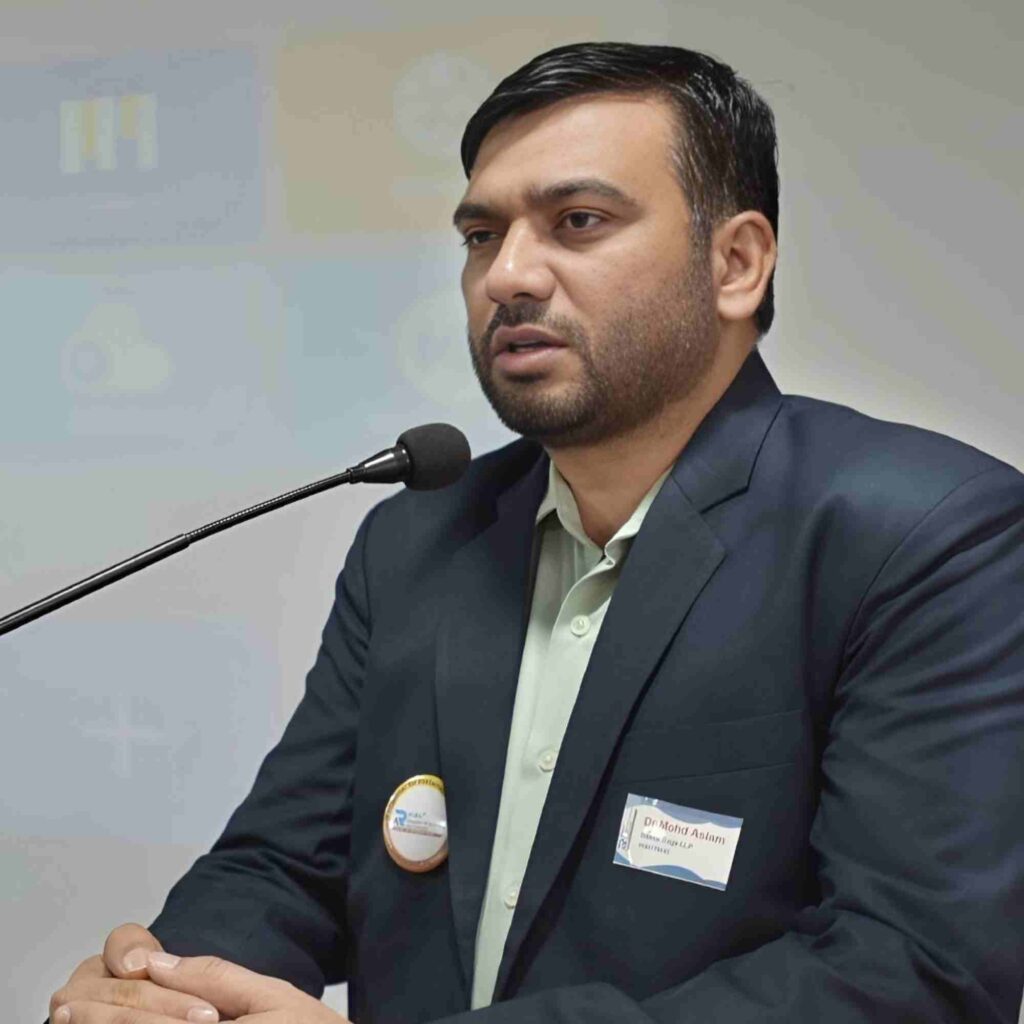
India’s luggage and lifestyle accessories market is undergoing a quiet but significant shift. As urban mobility increases and travel patterns diversify-from daily commutes to long-haul journeys-consumers are no longer satisfied with products that merely look good on shelves. Durability, ergonomics, and long-term value are now central to purchasing decisions. This evolving consumer mindset is pushing manufacturers to rethink how products are designed, tested, and positioned.
Amid this transition, domestic brands are attempting to compete not just on price, but on trust. One such example emerging from this changing landscape is Bakka Luggage Industries LLP, popularly known for its consumer-facing brand Bakka Bags. The India Prime Times editorial team recently interacted with Dr. Mohd Aslam, Founder of Bakka Bags, to understand how Indian luggage manufacturers are responding to rising expectations around quality, usability, and brand accountability.
A market moving beyond aesthetics
India’s luggage sector has traditionally been crowded with options ranging from low-cost utility products to premium international labels. However, industry analysts note that the middle segment-aspirational yet practical consumers-has seen the fastest growth in recent years. These buyers are value-conscious but unwilling to compromise on reliability.
During our discussion, Dr. Aslam highlighted that this shift was evident long before it became a market trend. “Consumers were silently telling us what they needed,” he noted. “The problem was that many brands were listening only to trends, not to usage.”
Our team observed that Bakka Bags’ product development approach reflects this mindset. Rather than chasing frequent cosmetic updates, the company appears to focus on functional clarity-what problem the product solves, how it performs over time, and whether it fits seamlessly into everyday life. This approach is increasingly relevant in a digital marketplace where word-of-mouth reviews and repeat purchases often matter more than aggressive advertising.
Designing for real-world use
One of the recurring themes in our interaction with Dr. Aslam was the emphasis on problem-first design. According to him, many consumer products fail not because of poor materials, but because they are designed around assumptions rather than real usage scenarios.
In practice, this means limiting features to those that genuinely add value, subjecting prototypes to field testing, and refining designs based on feedback rather than internal preferences. Industry experts say this disciplined approach can significantly reduce product returns and enhance customer loyalty-two metrics that directly impact long-term profitability.
India Prime Times noted that this design philosophy also influences manufacturing discipline. Multi-stage quality checks, durability testing, and ergonomic evaluation are embedded into the production cycle. While such processes may slow down speed-to-market, they often result in products with longer shelf life and stronger brand recall.
Reliability as a business strategy
In an era of rapid consumption, reliability has emerged as a strategic differentiator. Dr. Aslam explained that for Bakka Bags, reliability is not positioned as a marketing claim but as an operational metric. Products are expected to perform consistently across varied conditions-daily commuting, intercity travel, and extended usage.
From a business perspective, this focus yields measurable outcomes. Lower warranty claims, reduced returns, and higher repeat purchase rates contribute to cost efficiency. More importantly, it builds what many brands struggle to achieve organically: customer trust.
Industry observers agree that trust is becoming a form of currency in the consumer goods sector. Brands that consistently deliver on their promises enjoy stronger pricing power and resilience during market slowdowns. Our editorial team found that this principle underpins Bakka’s long-term positioning rather than short-term volume expansion.
Standing out in a crowded digital marketplace
With e-commerce platforms lowering entry barriers, the luggage and lifestyle accessories space has become intensely competitive. New brands emerge frequently, often relying on digital visibility and influencer-driven marketing. However, sustaining relevance in such an environment requires more than online presence.
Dr. Aslam pointed out that digital clutter makes authenticity harder-but also more valuable. “Consistency between what you say and what the customer experiences is what cuts through noise,” he remarked. This philosophy appears to guide Bakka’s communication strategy, which focuses on clarity and honesty rather than exaggerated claims.
India Prime Times observed that this alignment between messaging and product experience is increasingly critical as consumers rely on peer reviews and long-term usage feedback. In such an ecosystem, design discipline and operational integrity become essential to brand survival.
Human-centered thinking behind manufacturing decisions
Beyond factory floors and design studios, the Bakka approach also reflects a human-centered perspective. Dr. Aslam spoke about the influence of everyday observations-how people carry bags in crowded transport, how weight distribution affects comfort, and how materials age with use.
Our interaction suggested that this attention to everyday behavior is not incidental. It forms the basis for decisions across design, sourcing, and quality assurance. Industry experts say such empathy-driven thinking is often what differentiates enduring brands from those that peak briefly.
Additionally, Dr. Aslam’s involvement in mentoring young designers and entrepreneurs reflects a broader engagement with the ecosystem. This exchange of ideas, he believes, helps manufacturers remain grounded and responsive rather than insular.
What this signals for Indian consumer brands
The rise of brands like Bakka Bags highlights a broader recalibration underway in India’s consumer manufacturing sector. As domestic players mature, there is a noticeable shift from imitation-led growth to principle-driven innovation. Purposeful design, reliability, and long-term trust are no longer optional-they are fast becoming baseline expectations.
From our conversation and observations, it is evident that Bakka Luggage Industries LLP represents this new wave of Indian manufacturing thinking-one that prioritizes problem-solving over trends and consistency over scale-at-any-cost expansion.
For consumers, this evolution promises better products and greater accountability. For the industry, it underscores a crucial lesson: sustainable growth is built not on novelty, but on trust earned through repeated performance.
As India’s lifestyle goods market continues to expand domestically and globally, brands that anchor themselves in purpose-led design and operational discipline are likely to define the next chapter of consumer confidence.