Pakistan’s Partial Boycott Throws T20 World Cup Into Turmoil – ICC Warns of Severe Sanctions
5 min read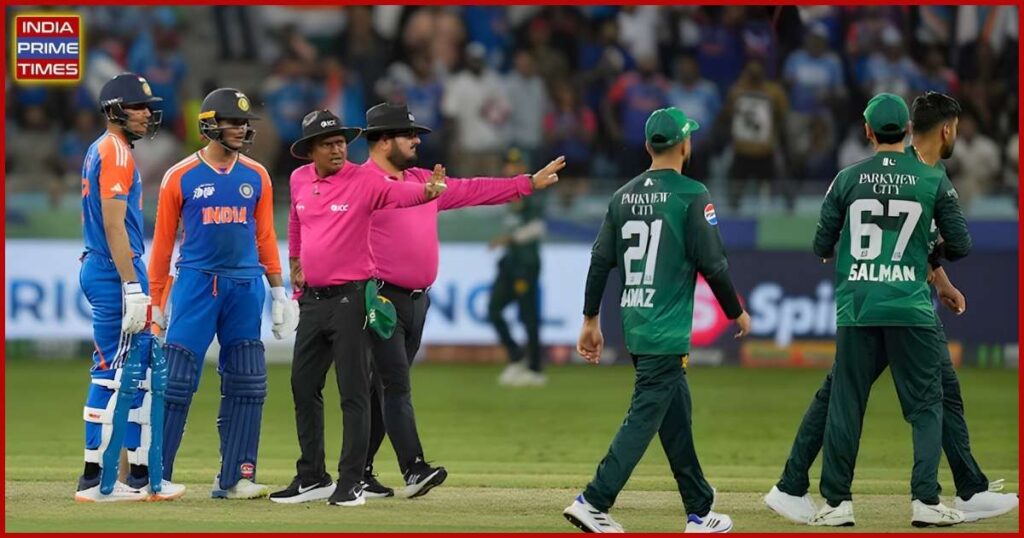
A politically charged move by Pakistan has transformed what should be a sporting spectacle into a governance crisis for the ICC. On February 1, the Government of Pakistan approved the national side’s participation in the ICC Men’s T20 World Cup 2026 – but added a caveat: the team will not take the field against India on February 15 in Colombo. The decision, framed as a show of solidarity with Bangladesh, has prompted urgent warnings from the ICC and threatens heavy sporting, financial and reputational consequences for Pakistan cricket.
Below is a clear, evidence-based rundown of what happened, why it matters, and what could follow.
What exactly was announced – the short version
- Pakistan’s government posted that while the team may travel for the tournament, it “shall not take the field” for the India fixture on Feb 15. The government did not provide a detailed explanation in the announcement.
- The ICC has publicly urged Pakistan to reconsider, warning that selective participation undermines the global event and may carry long-term penalties.
Why this blow-up happened – the background in one paragraph
The row escalated after the ICC replaced Bangladesh with Scotland when Dhaka refused to play its scheduled matches in India – citing security concerns. Pakistan’s stand is being interpreted in Islamabad as solidarity with Bangladesh (and also as a protest against perceived inconsistency), a posture that has now been translated into a one-match boycott against India. The Mustafizur Rahman–KL Rahul/KKR controversy in the IPL earlier in January added political heat to the discussions.
Timeline – quick, verifiable steps
- Jan 24: ICC announces Scotland will replace Bangladesh after BCB declines to play in India.
- Late Jan: Tensions escalate after Mustafizur Rahman’s IPL removal becomes a flashpoint for Pakistani opinion.
- Feb 1: Pakistan government permits team travel but bars the February 15 India fixture; ICC issues warnings about consequences.
What the ICC can do – the likely (and severe) options
The ICC has signalled its displeasure and left open the prospect of tough action. Media reporting of ICC deliberations lists several measures that are now being actively discussed (these remain contingent on formal ICC processes and have not all been announced as decisions):
- Forfeiture / walkover: If Pakistan does not appear at the toss, India will be awarded two points and a walkover after prescribed match protocols. (Match officials must follow the playing conditions.)
- Financial penalties: The ICC could withhold Pakistan’s share of central revenues or impose fines. Publications citing ICC distribution figures estimate Pakistan’s annual ICC share in the ballpark of ~$34–35 million, making any freeze commercially consequential. (These are estimates derived from ICC revenue models and media reporting.)
- Sporting sanctions: In extremis, the ICC can pursue suspensions that bar the PCB from international competition or take steps that affect NOCs for players wanting to participate in foreign leagues – measures that would seriously damage Pakistan’s cricket economy. Journalists and analysts are describing suspension as a possible but severe option.
(Important: all these options require formal ICC procedures. News reports cite the ICC signalling intent and setting emergency meetings; no final punitive step had been publicly confirmed at the time of writing.)
Commercial fallout – why broadcasters and sponsors are alarmed
India–Pakistan matches are the single biggest commercial draw in world cricket. Industry estimates circulating in the Indian press suggest advertising and broadcast losses in the range of ₹200–₹250 crore (or more) for the marquee fixture if it is not played – a figure that reflects sold-out ad inventory and premium TV slot pricing for this headliner. Beyond immediate ad revenue, a cancelled IND–PAK game dents sponsor exposure, host-broadcaster income and the overall value of the tournament.
Sporting consequences for Pakistan and the tournament
- Immediate: If Pakistan skip the match, India will be awarded a walkover (two points). But the optics are damaging – a high-profile absence leaves a gaping hole in the World Cup narrative and broadcast schedule.
- Longer-term: Repeated non-participation risks ranking penalties, reduced invitations for bilateral tours, and possible erosion of Pakistan’s leverage in cricket governance – especially if the ICC imposes sanctions after due process.
Voices in the debate – from the pitch and the pavilion
- ICC: Has warned that selective participation is “not in the interest of the global game” and urged Pakistan to reconsider to avoid damaging cricket’s ecosystem.
- Sunil Gavaskar: Veteran Indian cricketer Sunil Gavaskar has reacted sharply – suggesting Pakistan could reverse course but warning that a last-minute withdrawal would carry consequences for the PCB and for international cricket. Gavaskar’s comments reflect a common sentiment in the cricketing community: sport should remain insulated from politics where feasible.
The diplomatic and political layer
This is not merely a board-level dispute. Islamabad’s public posture – embedding the boycott in a government statement – makes the issue bilateral and diplomatic. The ICC operates in a space where sport and state interact; once a sovereign decision is announced, the remedy is rarely only administrative. Expect back-channel diplomatic contacts in the next 48–72 hours as stakeholders scramble to avoid the catastrophic commercial and sporting fallout of a no-show.
What to watch next – the short checklist
- Will the PCB or Pakistan government reverse the directive? A reversal would likely be the quickest way to avert sanctions and revenue loss.
- ICC emergency meeting outcomes: The ICC’s board and governance committees are convening; their statement will clarify whether any preliminary sanctions or disciplinary processes are being launched.
- Broadcast and sponsor responses: Rights-holders and major sponsors will issue commercial and legal notices if the fixture is cancelled.
- Match-day logistics: Will India travel to Colombo and appear for the toss? Match protocol determines whether a formal walkover is awarded.
Bottom line – more than a game
A decision to selectively boycott one fixture while participating in the rest of a marquee ICC event shifts this from sport to statecraft. The ICC’s choices in the coming days – whether to lean on diplomacy, impose fines, or move to harsher sporting penalties – will set precedent on how global cricket manages politically driven withdrawals. For Pakistan, the calculus is stark: a principled posture on solidarity risks immediate commercial pain and potential long-term isolation in the international cricketing community. For the ICC, the dilemma is to balance the rights of sovereign members with the integrity, neutrality and commercial viability of its flagship tournament.
India Prime Times will track official communiqués from the ICC, PCB and the Government of Pakistan, broadcast-rights holders, and statements from tournament hosts – and will publish verified developments as they arrive.