
“It Wasn’t Just About Food, It Was About Dignity”: Air India Passenger Alleges Harassment Over Pre-Booked Meal – Airline, Ministry Probing
5 min read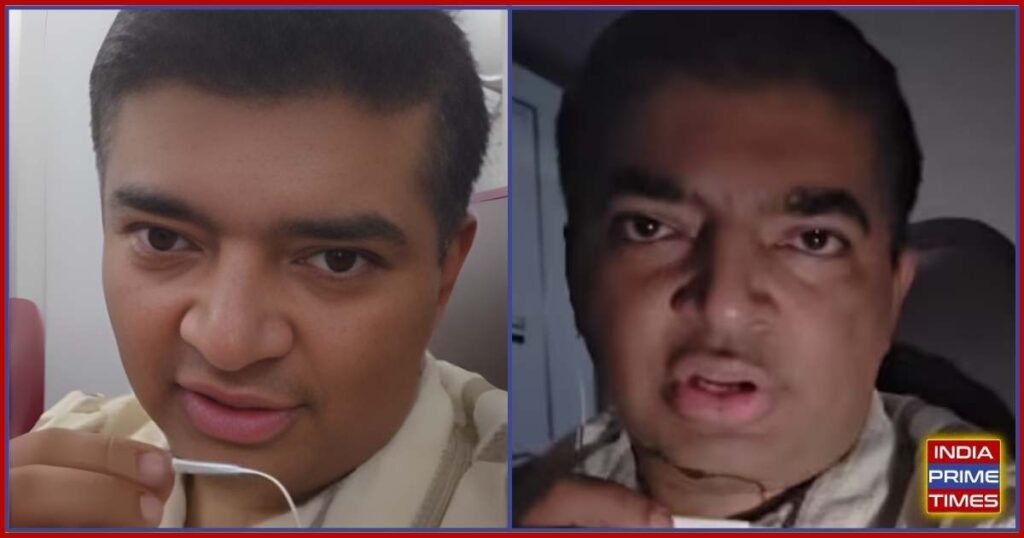
An Indian passenger has accused Air India cabin crew of humiliating him and his cousin on a Bangkok–Delhi flight after the airline allegedly failed to serve a pre-booked non-vegetarian meal. The episode – captured on video by the passenger and widely shared on social media – has prompted an internal probe by Air India and attracted the attention of the Ministry of Civil Aviation. The passenger says the incident went beyond a missing meal and amounted to harassment that continued after the flight landed.
Below we reconstruct the facts, provide context on passenger rights, and explain what to watch next as authorities investigate.
Quick summary (what happened)
- Who: Passenger Abhishek Chaudhry (posted the video), his cousin (whose meal was not served), and cabin crew of an Air India flight from Bangkok to Delhi on January 19, 2026.
- Core allegation: Chaudhry says his cousin’s pre-booked non-veg meal was not provided when the trolley reached the rear rows; when he protested, a senior crew member spoke rudely, asked for tickets and later allegedly ordered a junior crew member not to speak to him. Chaudhry claims cabin lights were dimmed when he filmed the exchange and that, after landing, ground staff prevented him from deboarding, checked his phone and made him sign a statement promising not to post about the incident. He also says he was falsely accused of being drunk despite having had only one beer.
- Air India response: The airline says it is investigating the allegations and will take action depending on the probe’s outcome.
Timeline – reconstructed from the video and the passenger’s posts
- January 19: Flight operates Bangkok → Delhi. Meal service reaches rear rows; Chaudhry says his cousin’s pre-booked non-veg meal was not available. Chaudhry films a portion of the interaction.
- During flight: Chaudhry alleges a senior crew member told a junior crew person, in Hindi, “Nanda, tum inse baat mat karo, yeh mera order hai” – translated: “Nanda, don’t speak to him; this is my order.” He also recounts being brusquely told to be quiet: “Aap chup rahiye, main abhi inse baat kar rahi hoon” – “You stay quiet, I am talking to him right now.”
- After landing (Delhi): Chaudhry alleges he was stopped from deboarding, his phone was taken and examined, and he was given a “Code of Conduct Warning Letter” signed by the pilot (named in Chaudhry’s post as Tushar Singh). He alleges Air India staff pressured him not to post about the incident.
- Public posting & response: Chaudhry posted the clip (shared by a YouTuber friend, Akash Gupta). The Ministry of Civil Aviation reportedly contacted Chaudhry’s associate seeking details; Air India says it is probing.
All the above are allegations made by the passenger and shown in his shared video. Air India has said it is investigating to ascertain facts.
What the passenger says he experienced
- Crew demanded ticket proof, spoke rudely to both him and a neighbouring French passenger who faced a similar issue.
- A senior crew member allegedly instructed junior staff not to interact with him.
- Cabin lights were dimmed after he began filming.
- On arrival he was temporarily prevented from deboarding, his phone examined and he was asked to sign a letter promising not to post on social media; he was also accused of being drunk despite low consumption.
Airline and regulator reaction so far
- Air India: Told India Today it has taken note and is “currently investigating the matter to ascertain the allegations… Necessary measures will be taken depending upon the outcome of the investigation.”
- Ministry of Civil Aviation / DGCA: Chaudhry’s associate said the Ministry of Civil Aviation reached out to request flight/ticket details; the Directorate General of Civil Aviation (DGCA) is the statutory regulator that typically oversees passenger complaints and airline conduct and would be the authority to escalate to if the airline’s internal inquiry is unsatisfactory. (DGCA publishes a Passenger Charter outlining airline obligations and redress mechanisms.)
Passenger rights & what rules apply
India’s civil-aviation framework sets out passenger protections and an airline’s duty of care. The Passenger Charter (published by the Ministry / DGCA) requires airlines to inform passengers about entitlements during disruptions and provides grievance channels; while the charter focuses mainly on delays, cancellations and denied boarding, it also underlines the obligation of carriers to treat passengers respectfully and provide effective complaint mechanisms. If an airline’s staff misbehaves, passengers can escalate to the airline’s customer-relations team and file complaints with DGCA.
Practical points to note:
- Keep boarding passes, booking confirmations and any proof of pre-booked services (screenshots or emails).
- Document the incident (date, time, seat number, names if possible), preserve any messages or images and register a written complaint with the airline immediately. If the response is unsatisfactory, file a complaint with the DGCA using its online grievance portal.
Why this story matters
- Service standards vs dignity: The dispute began over a pre-booked meal – a routine service – but the passenger frames the episode as a question of respect and dignity, not merely catering logistics. That resonates strongly because passenger-crew interactions are a core part of airline service.
- Escalation and social media: The incident was filmed and shared, triggering rapid public scrutiny. Airlines now operate under intense social-media visibility; how they respond to on-board complaints increasingly affects reputation.
- Regulatory oversight: If the airline’s probe finds procedural lapses – or if crew misconduct is proven – the DGCA can step in and issue sanctions ranging from fines to mandatory crew re-training, depending on findings and precedent. The Ministry’s involvement signals the issue is being tracked at higher levels.
What to watch next
- Air India’s internal probe: The airline has said it will act on the findings. Expect a public statement once the investigation is complete.
- Ministry/DGCA follow-up: Whether DGCA opens a formal inquiry or counsels the airline on corrective action.
- Passenger complaint: Whether Chaudhry files a formal DGCA grievance and what documentary evidence (ticket, signed letter) he produces.
A note on contested facts
Several elements of Chaudhry’s account (phone confiscation, forced non-deboarding, the pilot’s signed warning letter) are his allegations backed by social-media posts and images he shared. Air India’s official position – limited to an acknowledgement of the complaint and a promise to probe – is the company’s first public response. Independent verification (airline records, CCTV, crew statements, ground-handling logs, forensic review of the posted video) will be needed to establish what exactly occurred.
How passengers can protect themselves
- Photograph / screenshot boarding pass, meal confirmation and any in-flight notices.
- Calmly request a complaint book; insist on a written record of the crew’s response.
- If filming, be mindful of privacy and airline policy – but footage can be vital evidence if an exchange turns abusive.
- After the flight, register a formal complaint with the airline and upload supporting material to the DGCA grievance portal if unsatisfied.
Bottom line
A missing meal sparked a dispute that the passenger says became an episode of humiliation and coercion. Air India’s probe and the Ministry’s review will determine whether this was a service failure compounded by poor crew behaviour – or whether elements of the account require correction. The incident underscores two clear takeaways for carriers and travellers alike: airlines must enforce professional conduct standards for cabin staff, and passengers should document incidents and use regulatory channels when service failures escalate into alleged harassment.
India Prime Times will follow developments and publish Air India’s findings, any DGCA action, and reactions from passenger-rights bodies as the case progresses.