
India men’s cricket team retain ICC Men’s T20 World Cup 2026 – Sanju Samson (89) and Jasprit Bumrah (4/15) rout New Zealand men’s cricket team at Narendra Modi Stadium
4 min read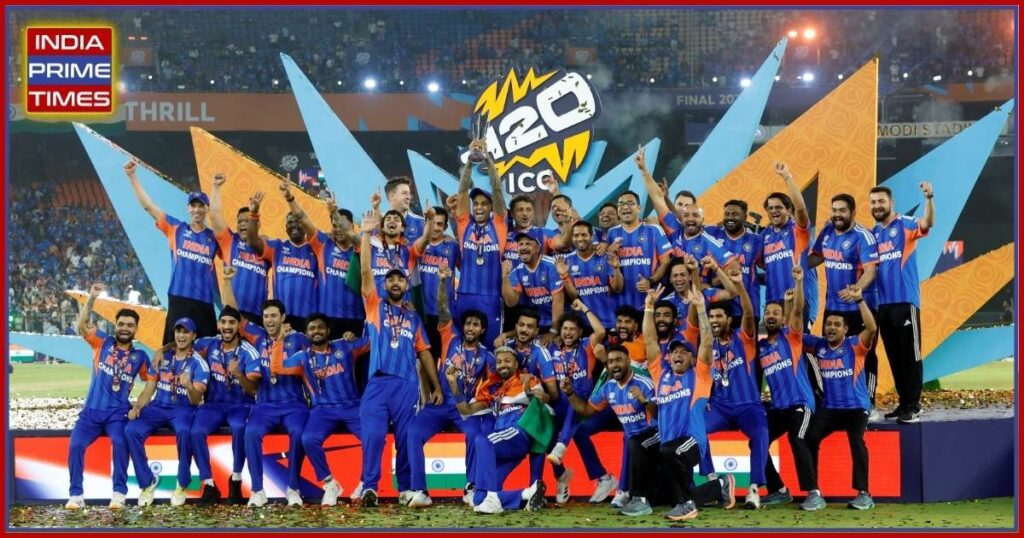
At a glance: India posted a mammoth 255/5 and then bowled New Zealand out for 159 (19 overs) to win the T20 World Cup final by 96 runs. Samson’s fearless 89 off 46 and Bumrah’s controlled devastation (4 for 15) were the defining contributions as India became the first men’s side to defend the T20 World Cup and the first to lift the trophy on home soil.
Snapshot – the result and what it means
- Final score: India 255/5 (20 overs) defeated New Zealand 159 all out (19 overs) – India by 96 runs.
- Player-of-the-match: Jasprit Bumrah (4/15). Player-of-the-tournament: Sanju Samson.
- Milestone: India now hold three ICC T20 World Cup titles and are the first men’s team to win back-to-back editions; they also became the first to win the trophy at home.
Background: why this victory matters
India entered the tournament as co-hosts and defending champions. The team’s recent run-lifting the 2024 T20 World Cup and the Champions Trophy-had already signalled a shift in white-ball dominance. Winning a major ICC trophy at home carries extra weight: it silences long-running “near-miss” narratives and cements a transition from contenders to sustained favourites in global limited-overs cricket.
How the final unfolded – clear phases
Powerplay: the match won its first six overs
India made the decision to attack from the start and executed it with clinical intent. The openers surged to 92/0 at the end of the Powerplay, a platform that immediately put New Zealand on the back foot – the decisive early cushion for a final of this magnitude.
Key impact hitters in that phase: Abhishek Sharma (quick-fire start), backed by Samson and Kishan, whose combined aggression removed any doubt about intent.
Middle overs: control plus carnage
After the quick onslaught, India rotated the strike and accelerated again. Samson anchored the middle passage, combining timing with power – his 89 included a flurry of boundaries at the death that pushed the scoreboard beyond 250. When wickets fell in the middle overs, India still had momentum and depth to rebuild quickly.
Death overs and the big finish
A late cameo from Shivam Dube (26 off 8) and support from other finishers carried India to a formidable 255/5 – a total that required near-perfect execution to chase.
New Zealand’s chase: early damage, then collapse
New Zealand lost two early wickets in the powerplay and never recovered. Seifert offered resistance with a fifty, but Bumrah’s masterful use of the slower yorker and variations (three key dismissals) crushed the chase. Once the well-set partnerships failed to materialise, the Black Caps’ innings unraveled.
Tactical read – why India dominated
- Powerplay supremacy: winning the first six overs set the template. India’s intent was uncompromising and backed by execution.
- Bowling balance: New-ball accuracy and strategic use of Bumrah’s slow yorker combos produced wickets at critical junctures. India mixed pace and variations, ensuring New Zealand never built a stable platform.
- Depth and finishing: contributions across the card – from major knocks to cameo fireworks – meant India could both start fast and finish harder. That balance is championship currency.
Standout performances
- Sanju Samson: 89 off 46 – a tournament-defining innings that combined control and high-impact hitting. Named player of the tournament for a string of decisive knockout knocks.
- Jasprit Bumrah: 4 for 15 – a bowling masterclass in a final, using pace, length and an immaculate slower yorker to choke the chase. Player of the match.
- Supporting cast: Abhishek Sharma’s blistering powerplay cameo, Ishan Kishan’s rapid middle-overs assault, and Shivam Dube’s late strike rate all fed into the winning total.
Numbers that tell the tale
- India’s final total (255) contained 18 sixes and 19 fours – a statement of power and intent.
- New Zealand were reduced to 3 for 40-ish in their chase while India were ~90/0 in the Powerplay – that differential locked the final.
- The margin (96 runs) reflects the gulf between a near-perfect batting display and a chase undone by early wickets and relentless pressure.
Reactions and context
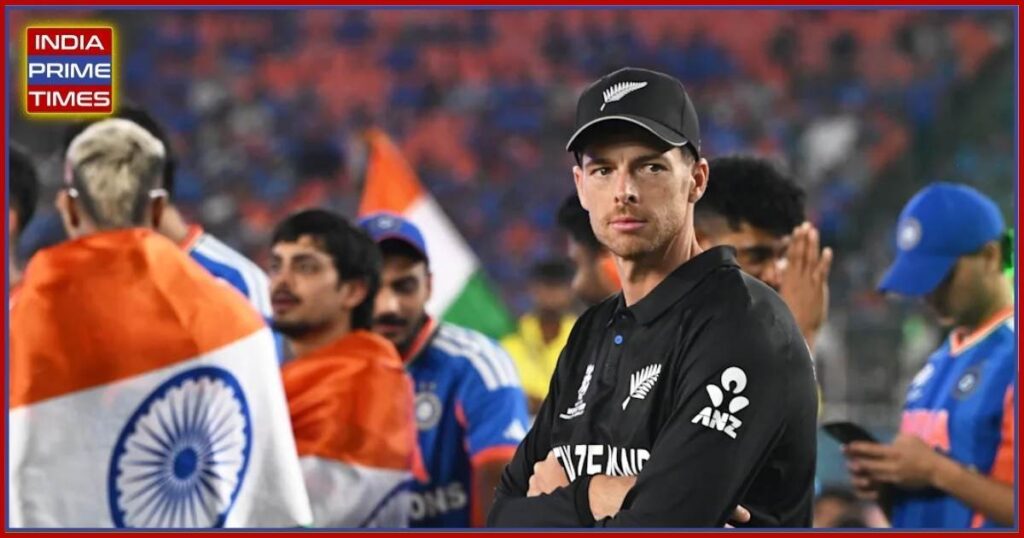
Captain and coach reactions hailed composure and team planning; several national leaders and public figures congratulated the squad for delivering on home soil. New Zealand captain Mitchell Santner paid tribute to his team’s campaign while acknowledging India’s superiority on the night and the challenge of chasing 250-plus in a major final.
What this win does for Indian cricket
- Confirms a sustained era of white-ball strength and selection depth.
- Rewards a strategy that blends fearless powerplay hitting with disciplined bowling plans.
- Enhances the tournament’s legacy in India – a World Cup won before a near-capacity home crowd is a generational memory for players and fans alike.
Quick takeaways for readers
- Powerplay wins finals: India’s early aggression made the rest a management exercise.
- Bowling matters as much as batting: Despite a massive target, it was Bumrah’s spell that ultimately removed any doubt.
- Bench strength and temperament: Samson’s resurgence and contributions across the XI underline the strength of India’s talent pipeline and mental resilience.
For match footage, extended analysis and player interviews, India Prime Times will publish a follow-up feature with ball-by-ball graphics and coach/player breakdowns.
For updates, queries or to publish an article with India Prime Times, contact us:
Phone: +91 9490056002
Email: info@indiaprimetimes.com
WhatsApp: https://wa.me/919490056002