Karnataka DGP Suspended After Viral ‘Obscene’ Clips: Probe, Denials and the Ranya Rao Shadow
4 min read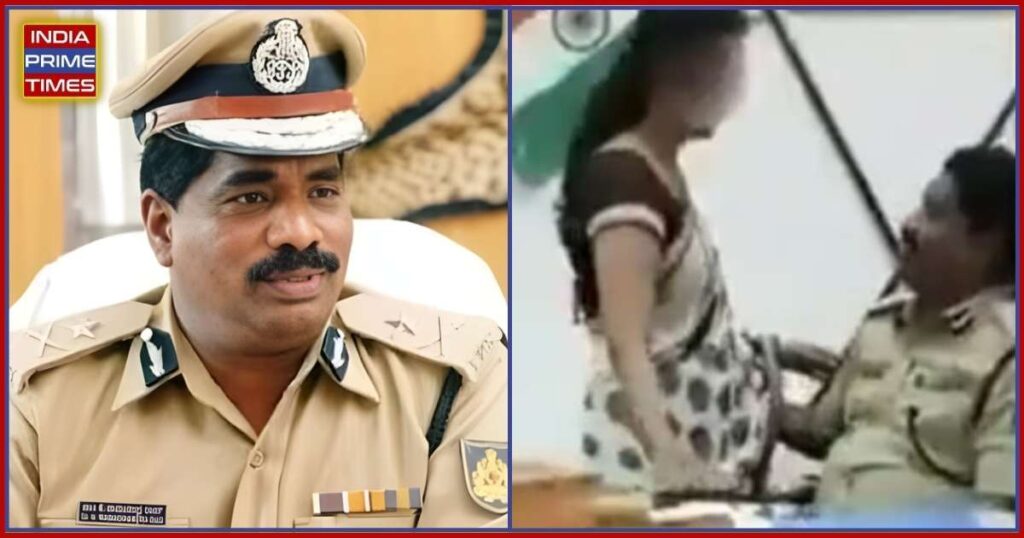
A senior Karnataka police officer – Dr K. Ramachandra Rao, Director General of Police (Civil Rights Enforcement) – was placed under suspension on January 19, 2026 after multiple video clips purportedly showing him in compromising situations with women in an official chamber went viral. The state government ordered an immediate inquiry and said Rao’s conduct, as seen in the clips circulating online, was “unbecoming of a Government Servant” and had caused “embarrassment to the Government.”
Below is a clear, factual breakdown of what is known so far, the lines of inquiry, the background that has amplified public interest, and why this episode matters for policing and public trust.
What happened – the essentials
- The state issued a suspension order on January 19, 2026, citing prima facie violation of conduct rules after a compilation of video clips surfaced on social media that reportedly show Rao in an “obscene manner” inside an official chamber. The order invoked the All India Service conduct rules and placed Rao under suspension pending inquiry.
- Rao has denied the allegations, calling the footage “fabricated” and saying the clips were generated or manipulated using artificial intelligence; he has claimed that the material may date back several years to his tenure in Belagavi.
- The Chief Minister, Siddaramaiah, and Home Minister G. Parameshwara have both ordered investigations; ministers emphasised that seniority will not shield any officer from disciplinary action. The Home Minister said dismissal remains a possible outcome depending on inquiry findings.
Timeline (concise)
- Clips circulate on social media platforms (compiled from multiple short segments).
- Government review of circulated footage concludes the behaviour is prima facie unbecoming; suspension order issued on Jan 19, 2026.
- Rao’s response: He denies wrongdoing, alleges manipulation/AI-generation and seeks legal recourse.
- Administrative action: Inquiry ordered; Rao barred from duties and from leaving headquarters without permission; subsistence allowance to continue during suspension as per service rules.
Official responses and political reaction
- State leadership: CM Siddaramaiah ordered a probe and stressed that no one is above the law. Home Minister Parameshwara said the government acted swiftly and that Rao could be dismissed if allegations are substantiated.
- Women’s groups and activists: The Karnataka State Women’s Commission took “serious note,” calling for transparent inquiry and strict action if the footage proves genuine; activists and opposition leaders demanded decisive accountability.
- Rao’s stance: Strong denial – he has suggested the clips are manipulated and even obtained interim relief from a civil court to restrain media broadcast of the footage while the matter is examined.
Background that intensifies scrutiny: the Ranya Rao connection
Rao is the stepfather of Kannada actor Ranya Rao, who was arrested in March 2025 by the Directorate of Revenue Intelligence (DRI) after gold bars worth over ₹12 crore were seized at Bengaluru’s Kempegowda International Airport. Subsequent raids recovered jewellery and cash from her residence. The gold-smuggling case and large-scale chargesheet filed later drew prolonged media attention and prompted previous administrative scrutiny of Rao – including a period of compulsory leave in 2025 and a panel probe into whether state protocol had been misused. That earlier controversy has added political heat and public interest to the present video scandal.
Legal and administrative framework – what rules apply
- The suspension order cites violation of the All India Services (Conduct) Rules, 1968 (and related Discipline & Appeal provisions), which require conduct of a government servant to be consistent with public trust and integrity. The state placed Rao under suspension under Rule 3(1)(a) of the All India Service (Discipline & Appeal) Rules, 1969 while an inquiry proceeds. Administrative sanctions can range from censure and compulsory retirement to dismissal, depending on inquiry findings.
Key questions investigators are likely to pursue
- Authenticity: Are the clips genuine, doctored or AI-manipulated? Forensics on source files, metadata and platform traces will be essential.
- Timeline & context: If clips are genuine, when and where were they recorded? Police say the viral footage appears to be a compilation of multiple short recordings.
- Consent & identification: Who are the women seen in the clips? Were any formal complaints filed by them? Officials said no complainant had formally approached police so far – this is being probed.
- Abuse of office: Is there any evidence that official position or protocol was misused (a question already raised in Ranya Rao’s separate case)?
Why this matters – public trust and policing
A senior police officer’s alleged misconduct in uniform inside an official chamber strikes at core questions of public trust, institutional integrity and the image of law enforcement. Even if the footage is later proven fake or manipulated, the episode exposes how quickly reputations can be damaged in the digital age and how institutions must balance rapid administrative action with due process. Conversely, if the material is authentic, there are immediate disciplinary and criminal implications for a senior officer close to retirement (Rao is scheduled to retire in May 2026), and wider conversations about accountability in policing will follow.
What to expect next
- A forensic verification of the videos (digital forensics and device/platform trace-back).
- A departmental inquiry report to the State Home Department and the Chief Secretary; administrative action will follow the inquiry’s conclusions.
- Potential criminal investigation if evidence suggests offences beyond violation of service rules (for example, criminal intimidation, obscenity, or other charges), depending on complainants and forensic findings.
Bottom line
The suspension of DGP K. Ramachandra Rao was swift and demonstrates the state government’s immediate administrative response to a reputational crisis within the police. But the more consequential phase begins now – technical verification of the footage, legal scrutiny, and an inquiry whose findings will determine whether this is a case of digital character assassination or a grave breach of professional conduct by a senior officer. Either outcome will shape public debate about accountability, the weaponisation of social media, and standards for those who lead law-and-order institutions.
India Prime Times will continue to follow verified developments and publish official findings, forensic results, and statements from the inquiry as they become available.