Student Welfare Takes Centre Stage in Engineering Education: A Closer Look at Emerging Academic Leadership in Hyderabad
4 min read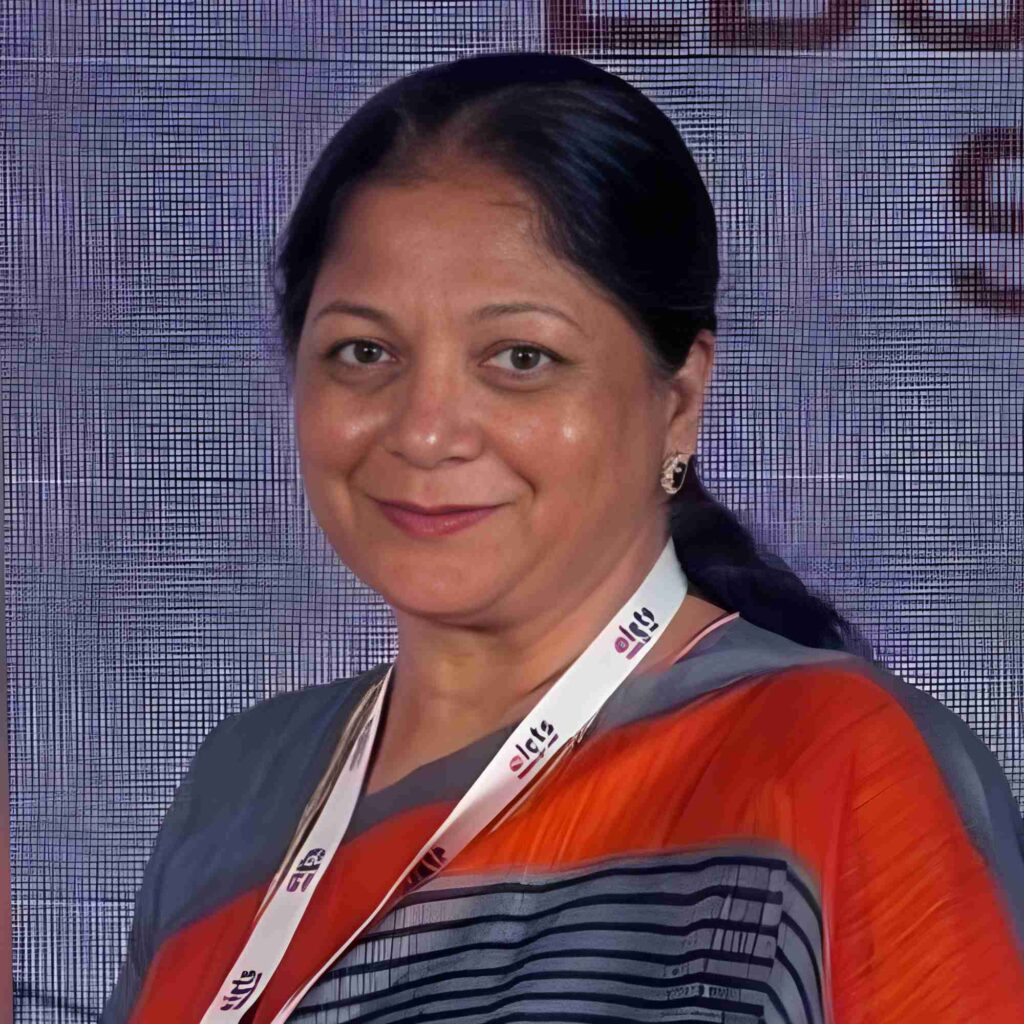
As Indian higher education institutions grapple with evolving student expectations, employability challenges, and mental well-being concerns, the role of student welfare departments has moved from the margins to the core of academic governance. Engineering colleges in particular are witnessing a shift-away from purely technical instruction towards a more holistic, student-centric model. Recent developments at ISL Engineering College, Hyderabad, offer a snapshot of this changing landscape, where academic leadership, communication skills, and student support systems intersect.
Over the last few years, ISL Engineering College has expanded its focus on student welfare, soft skills training, and inclusive education practices. At the centre of this transition is Dr. Zareena Sultana, Dean of Students’ Welfare and Professor of English and Soft Skills. While this is not a profile or personal biography, her work provides context to a broader institutional and sectoral trend: the growing emphasis on student development beyond textbooks and examinations.
Changing Priorities in Engineering Campuses
Across India, engineering institutions are under increasing pressure to address gaps between academic knowledge and workplace readiness. Employers routinely highlight deficiencies in communication, teamwork, adaptability, and critical thinking among graduates. In response, colleges are investing more in soft skills training, mentoring frameworks, and student engagement programmes.
At ISL Engineering College, this shift has translated into structured student welfare initiatives, communication workshops, and academic support systems that operate alongside core engineering curricula. According to faculty members and students, the intent is to create an environment where academic rigor is balanced with emotional, social, and professional growth.
The India Prime Times editorial team recently visited the ISL Engineering College campus to understand how these changes are being implemented on the ground. During interactions with faculty and students, it became evident that student welfare is no longer treated as a supplementary function but as a strategic pillar of institutional planning.
Observations from Campus Interactions
During our visit, the India Prime Times team had the opportunity to interact with Dr. Zareena Sultana and observe several ongoing student engagement activities. The discussions were centred not on individual achievements, but on the systems being built to support students-particularly first-generation learners and those from diverse linguistic and socio-economic backgrounds.
Dr. Sultana spoke about the increasing complexity of student needs in today’s academic environment. “Engineering education today is not just about technical proficiency. Students are navigating competitive pressures, digital overload, and uncertainty about careers. Institutions must respond with empathy, structure, and guidance,” she noted during the conversation.
Our team observed that communication skills training and mentoring sessions are integrated into the academic calendar rather than treated as optional add-ons. Faculty members across departments reportedly collaborate with the student welfare office to identify students who may need academic, emotional, or career-related support.
Focus on Language, Communication, and Inclusion
One notable aspect of ISL Engineering College’s approach is the emphasis on English communication and soft skills as tools for inclusion rather than elitism. In multilingual classrooms, language barriers often become silent obstacles to participation and confidence. Addressing this issue has become a priority area.
Dr. Sultana, who has an academic background in English and research experience in multilingual education settings, highlighted the need for adaptive teaching methods. “Students come from varied schooling systems. Our responsibility is to bridge gaps without labelling students as ‘weak’ or ‘strong’,” she said.
From our interactions with students, it was clear that structured communication labs, presentation training, and personality development sessions are helping many gain confidence-particularly those from rural or non-English-medium backgrounds. These efforts align with national discussions on equity and access in higher education.
Student Welfare Beyond the Classroom
Student welfare, as observed at ISL Engineering College, extends beyond academics into areas such as counselling, grievance redressal, extracurricular engagement, and leadership development. Workshops on stress management, career planning, and interpersonal skills are reportedly held at regular intervals.
The India Prime Times team noted that faculty-led mentoring plays a significant role in early identification of student challenges. Rather than waiting for academic failure, systems appear to be in place to proactively engage students who show signs of disengagement or distress.
Such models are gaining relevance nationwide, particularly in light of growing concerns around student mental health. Education experts argue that engineering institutions must create safer, more supportive spaces if they are to retain talent and improve learning outcomes.
A Broader Sectoral Trend
While ISL Engineering College is one example, similar shifts are being seen across several private and autonomous institutions in India. Regulatory bodies and accreditation agencies are also placing greater emphasis on student support services, outcome-based education, and holistic development.
Dr. Sultana’s involvement as a national speaker and member of academic boards reflects another emerging trend: the cross-pollination of ideas between institutions. Faculty leaders today are expected not only to manage classrooms but also to contribute to policy discussions, curriculum design, and innovation in teaching methodologies.
From our conversation, it was evident that student welfare roles are becoming increasingly strategic, requiring coordination between academic departments, administration, parents, and external stakeholders.
Looking Ahead
As engineering education continues to evolve, the success of institutions may increasingly depend on how effectively they support students as whole individuals. Technical knowledge alone is no longer sufficient in a rapidly changing job market that values communication, adaptability, and ethical awareness.
The India Prime Times team’s interaction at ISL Engineering College offered insights into how focused leadership in student welfare can influence campus culture and student outcomes. While challenges remain-such as scaling personalised support and balancing academic pressures-the direction of change is clear.
In the coming years, models that integrate academic excellence with structured student welfare initiatives are likely to set benchmarks for the sector. Observations from Hyderabad suggest that engineering colleges willing to invest in such frameworks may be better positioned to prepare students not just for jobs, but for long-term professional and personal success.