The Architect of Global Capability Centers: How Dr. Ramesh Kunnath is Transforming India’s GCC Ecosystem
4 min read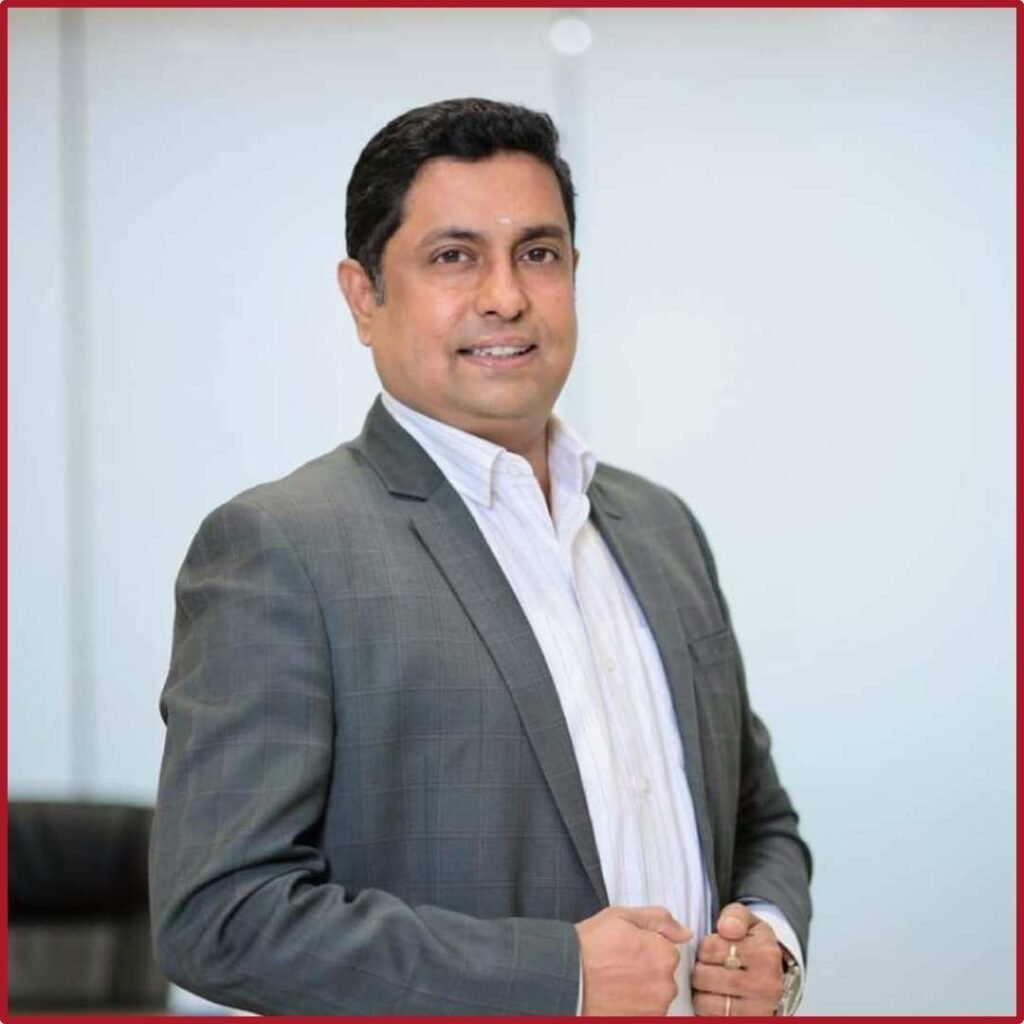
India’s corporate landscape is currently experiencing a massive structural evolution. For decades, the country was primarily viewed by Western corporations as an offshore destination for low-cost labor and back-office support. However, as the global economy hurtles toward 2026, that narrative has been entirely rewritten. India is no longer just a back office; it has become the strategic nerve center for global enterprises through the rapid expansion of Global Capability Centers (GCCs).
Today, these GCCs handle core corporate functions-from high-level tax strategy and financial advisory to artificial intelligence integration and global risk governance. To understand the complex mechanics of scaling and managing these massive operations, the India Prime Times editorial team recently turned its attention to the leaders quietly building these empires.
During our extensive coverage of enterprise operations across India, our team noted the profound operational impact of Crowe Capability Center India. The sheer scale of their cross-functional delivery models, integrating automation with rigorous financial governance, prompted us to seek out the architect behind this transformation.
This led us to a highly engaging conversation with Dr. Ramesh Kunnath, the Chief Operating Officer of Crowe Capability Center India. With over 28 years of experience scaling GCC operations for some of the world’s most formidable consulting firms-including PwC, Deloitte, and RSM-Dr. Kunnath’s insights offer a masterclass in enterprise leadership, digital transformation, and the future of India’s role in the global economy.
Building Resilience in the Global Capability Ecosystem
During our interaction, the core philosophy driving modern GCCs became immediately clear: successful offshore centers are no longer built on cost arbitrage; they are built on process excellence and technological leverage.
“Enduring global institutions are built when leaders grow with the complexity they are trusted to manage,” Dr. Kunnath explained to the India Prime Times team. “When you are managing a global delivery model, the challenge is not just execution; it is integration. You have to align complex tax operations, assurance, and advisory services across different geographies while simultaneously embedding automation and Six Sigma methodologies to drive continuous efficiency.”
His resume reflects this philosophy of scale and complexity. Before stepping into his current role at Crowe, Dr. Kunnath served as the Deputy COO for PwC Acceleration Centers, where he provided operational stewardship for an astonishing 40,000+ professionals. Prior to that, his tenure at RSM US LLP and Deloitte involved building and transitioning vast US and Canadian offshore delivery centers.
The Digital Mandate: Automation
What makes Dr. Kunnath’s leadership profile particularly newsworthy is his aggressive integration of deep tech into traditional financial and tax sectors. While many executives view technology as a supporting function, Dr. Kunnath views it as the central nervous system of modern consulting.
Holding certifications as a PMP, Six Sigma Black Belt, Certified Scrum Master, and UiPath RPA Business Analyst, he bridges the gap between traditional finance and modern data science. He detailed his experience leading global tax digital transformation initiatives, which involved replacing manual compliance tasks with AI-enabled platforms and robotic process automation (RPA).
“The goal of digital transformation in a GCC is to elevate human capital,” he noted. “By automating routine tax compliances and reporting, we free up our professionals to do what they do best: provide high-level, consultative advisory to our global clients.” This strategy is highly effective; our editorial review of his career impact revealed instances where his structured operational excellence programs drove client profitability from a mere 9% to an impressive 41%.
Leadership, Mentorship, and the Human Element
Despite his focus on automation and process standardization, Dr. Kunnath’s approach to leadership remains profoundly human-centric. The India Prime Times team was struck by his commitment to building inclusive, high-performance cultures.
Having undergone executive education at elite institutions like Columbia Business School, ISB Hyderabad, and IIM Ahmedabad, he emphasizes the importance of continuous learning and succession planning. He frequently mentors teams through complex Six Sigma Green and Black Belt projects, ensuring that the next generation of GCC leaders is equipped to handle future complexities.
This dedication to impactful leadership was recently recognized on a national scale. Dr. Kunnath was honored with the prestigious “Transformational Leader Award” at the Atal Samman Samaroh 2026. The award, presented by notable government officials and industry figures, highlighted his critical role in enabling transformational change within India’s GCC sector.
Reflecting on the honor during our conversation, he remained characteristically grounded: “This recognition is for the work around enabling transformational change in GCCs… an effort that has always been about building teams, successful partnerships, and shared intent rather than individual outcomes.”
The Future of India’s GCCs
As our time with Dr. Ramesh Kunnath concluded, the broader trajectory of India’s corporate consulting sector became undeniably clear. The era of simple business process outsourcing is over. The future belongs to integrated Global Capability Centers that drive core enterprise strategy, digital innovation, and comprehensive risk governance.
For industry analysts and global boards looking to establish or scale their Indian operations, the blueprint executed by leaders like Dr. Kunnath is essential studying. By proving that India can deliver not just scalable resources, but unparalleled operational excellence and digital innovation, executives like Dr. Ramesh Kunnath are ensuring that the nation remains an indispensable partner to the global corporate world for decades to come.