
Hyderabad Paediatrician Faces Legal Fire After Winning Historic ORS Labelling Battle
3 min read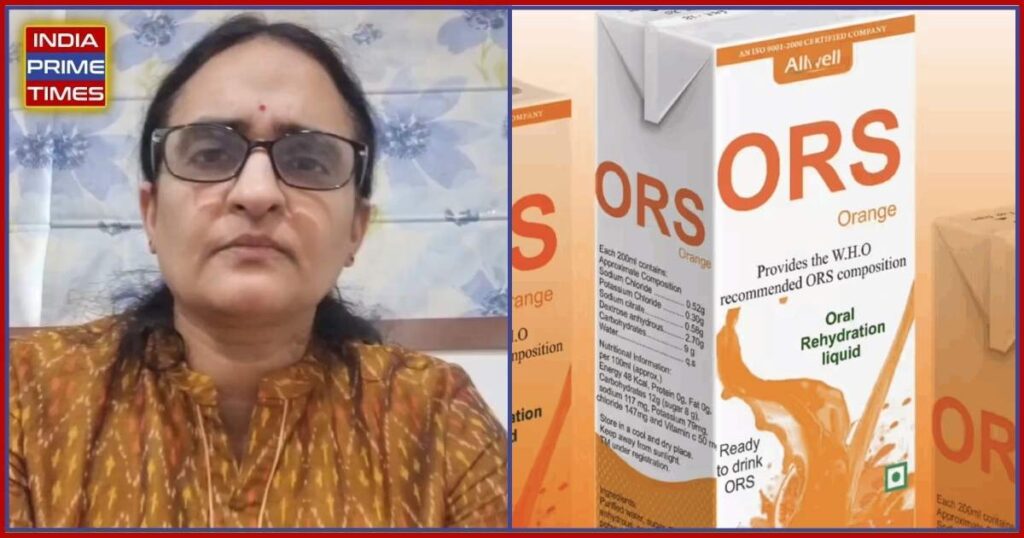
Dr. Sivaranjani Santosh, a Hyderabad-based paediatrician who spent eight relentless years fighting to ensure sugary drinks do not masquerade as life-saving Oral Rehydration Salts (ORS), is now in the crosshairs of multinational pharmaceutical companies.
Months after successfully pushing India’s food safety regulator to implement strict ORS labelling reforms, Dr. Santosh has been served a legal cease-and-desist notice by pharma majors. The companies accuse her of making “false, misleading, disparaging, and defamatory remarks” regarding their beverage products on social media.
Here is an exclusive breakdown of the ongoing medical-legal clash, the background of the dispute, and what it means for consumers.
The Background: The 8-Year Battle for Real ORS
For years, many commercial fruit-flavored drinks have been packaged and sold with names resembling “ORS” (such as ORSL). However, these drinks often contain high sugar levels and lack the precise sodium-glucose balance required to treat severe dehydration and diarrhea, posing a significant risk, especially to infants and children.
Driven by public health concerns, Dr. Santosh spearheaded a widespread medical campaign. Her efforts bore fruit in October 2025, when the Food Safety and Standards Authority of India (FSSAI) issued a landmark directive: No food brand or beverage can use the term ‘Oral Rehydration Salts’ or ‘ORS’ on its packaging unless the formulation strictly adheres to the standards recommended by the World Health Organisation (WHO).
Breaking Down the News: What Does the Legal Notice Say?
Following the FSSAI directive, companies were forced to rebrand. However, Dr. Santosh took to social media to warn parents about “ERZL”-the newly rebranded version of ORSL-sparking the current legal retaliation.
According to the cease-and-desist notice dated March 16, the pharma companies assert the following:
- Compliance & Science: The companies maintain that they are science-based, fully compliant with the Food Safety and Standards Act, 2006, and possess all necessary regulatory approvals.
- Not a Health Hazard: Citing ongoing proceedings in the Delhi High Court, the pharma firms highlighted the court’s observation that their products are “not adulterated or unsafe for use,” arguing that the dispute is strictly limited to branding and trademark issues.
- No Deception: The notice strongly denies allegations that older ORSL products are still being illegally sold or that the new ERZL is being marketed as an ORS substitute. They state that distributors have already been ordered to return or relabel old stock.
- The Ultimatum: The companies have demanded that Dr. Santosh immediately delete all allegedly defamatory posts, cease making further statements against their products, and stop the unauthorized use of their trademarks.
The Doctor’s Defense: Fighting for Consumer Clarity
Unfazed by the legal threats, Dr. Santosh took to her Instagram page to defend her stance, asserting that her public health warnings are entirely legal and medically justified.
- Backed by the Regulator: She emphasized that her position is directly supported by the FSSAI’s October 2025 orders, which aim to protect consumers from misleading medical branding.
- No Legal Stay: She pointed out that the Delhi High Court has, notably, refused to grant a stay on the FSSAI’s stringent labelling orders.
- The Risk of Confusion: Dr. Santosh argues that simply changing the name from “ORSL” to “ERZL” is a cosmetic fix that circumvents the spirit of the regulatory directive. She warns that the phonetic similarity could easily confuse parents who have spent years associating the old packaging with genuine ORS.
Why This Matters to You (The Reader)
This legal battle highlights a critical issue for every household: the difference between a commercial hydration drink and medical-grade ORS. When treating dehydration, especially in children, parents must look for the explicit phrase “WHO Recommended Formula” on the packet. Beverages lacking this specific formulation should not be used as a medical treatment for diarrhea or severe fluid loss.
As the legal proceedings between the paediatrician and the pharma giants unfold, the medical community is closely watching what could become a precedent-setting case for public health advocacy and corporate accountability in India.
Get in Touch with India Prime Times For any updates, queries, or to publish a news article, please reach out to our editorial desk:
- Contact Number: +91 9490056002
- Email ID: info@indiaprimetimes.com
- WhatsApp Us: https://wa.me/919490056002