
“Prepare for Paranoia”: PM Modi Urges Drastic Cutbacks on Gold and Fuel as War Drains Forex Reserves
3 min read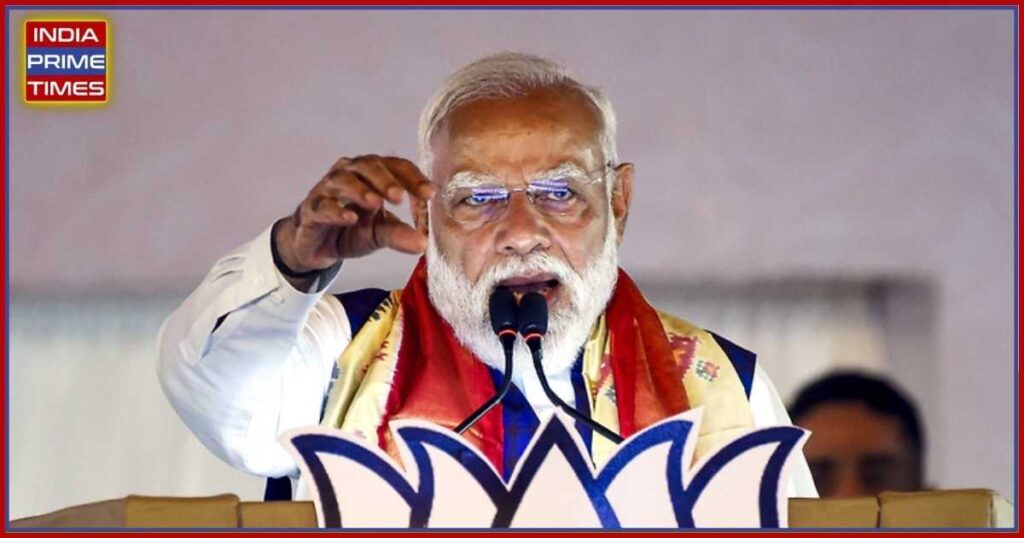
As the US-Israel-led war against Iran enters its third month with no resolution in sight, the economic fallout is hitting India hard. In a stark national address that echoed the austerity of the pandemic era, Prime Minister Narendra Modi urged citizens to drastically cut back on purchasing gold, consuming fuel, and embarking on foreign travel for at least a year.
The underlying message is clear: India’s foreign exchange reserves are bleeding, and the government needs the public’s help to stop the hemorrhage.
Here is a comprehensive breakdown of why the Prime Minister made this urgent appeal, the economic pressures driving it, and how it is impacting the markets.
The Crisis: A Ballooning Import Bill and Shrinking Reserves
India’s economic vulnerability is fundamentally tied to its reliance on imports. The country imports roughly 85-90% of its crude oil and half of its natural gas. With the Strait of Hormuz-the critical chokepoint for global oil-effectively shut for over two months, oil prices have surged from $70 a barrel to over $113.
This dramatic spike has inflated India’s import bill by billions of dollars, creating a vicious cycle for the economy. To pay for these expensive imports, India needs US dollars. This surging demand for dollars is severely weakening the Indian Rupee, making every subsequent import even more expensive.
While India’s forex reserves remain robust at around $690 billion, they have plummeted by $38 billion since the conflict began. As veteran Indian banker Uday Kotak warned a gathering of industry leaders this week: “We should prepare for paranoia before the event… We must prepare for the worst.”
Why Target Gold?
Gold is deeply embedded in Indian culture, but it is also an enormous economic drain. India produces almost no gold domestically, importing 700 to 800 tonnes annually to meet consumer demand. In the 2025-26 financial year, gold imports hit an all-time high of $71.98 billion.
When consumers buy gold, they are effectively sending billions of dollars out of the country. As the Rupee weakens due to the oil crisis, importing gold becomes even costlier, further widening the trade deficit (which stood at $333.2 billion in 2025-26). By urging citizens to halt gold purchases for a year, PM Modi aims to drastically reduce this non-essential dollar outflow.
- Market Reaction: The Prime Minister’s appeal sent shockwaves through the stock market. Jewellery stocks took a massive hit in intraday trading, with Titan dropping 6.4%, Kalyan Jewellers plunging 8.3%, and Senco Gold tanking by nearly 11%.
The Push for Fuel and Edible Oil Restraint
Beyond gold, the Prime Minister explicitly asked citizens to:
- Work From Home: Revive pandemic-era WFH policies to reduce daily commuting.
- Use Public Transport & EVs: Shift to metros, carpooling, and electric vehicles to cut petrol and diesel dependency.
- Reduce Edible Oil & Fertilisers: India relies heavily on imported palm, sunflower, and soybean oils, as well as imported chemical fertilisers (like urea). Reducing domestic consumption of these items directly preserves foreign currency.
While the government had previously absorbed the shock of rising global oil prices, the fiscal burden has reached a tipping point. On Friday, retail petrol and diesel prices were hiked for the first time in four years (by ₹3 per litre in Delhi) to offset mounting losses faced by state-run oil marketing companies.
The Bigger Picture: Patriotic Austerity vs. Market Reality
Economists point out that PM Modi is resorting to “moral persuasion” and patriotic austerity rather than letting harsh market arithmetic-like massive price hikes-destroy consumer demand.
However, experts caution that avoiding the economic reality might only delay the pain. With foreign investors pulling out nearly $22 billion from Indian equities amid global uncertainty and the Rupee tumbling, India faces a severe macroeconomic challenge. As inflation continues to climb due to energy shocks, the central bank may soon be forced to hike borrowing costs.
The message to the Indian public is stark: tighten your belts now voluntarily, or the global markets will force the adjustment upon you later.
Get in Touch with India Prime Times For any updates, queries, or to publish a news article, please reach out to our editorial desk:
- Contact Number: +91 9490056002
- Email ID: info@indiaprimetimes.com
- WhatsApp Us: https://wa.me/919490056002