
The Multidisciplinary Shift: How Indian Technical Higher Education is Merging Core Engineering with Behavioral Science
4 min read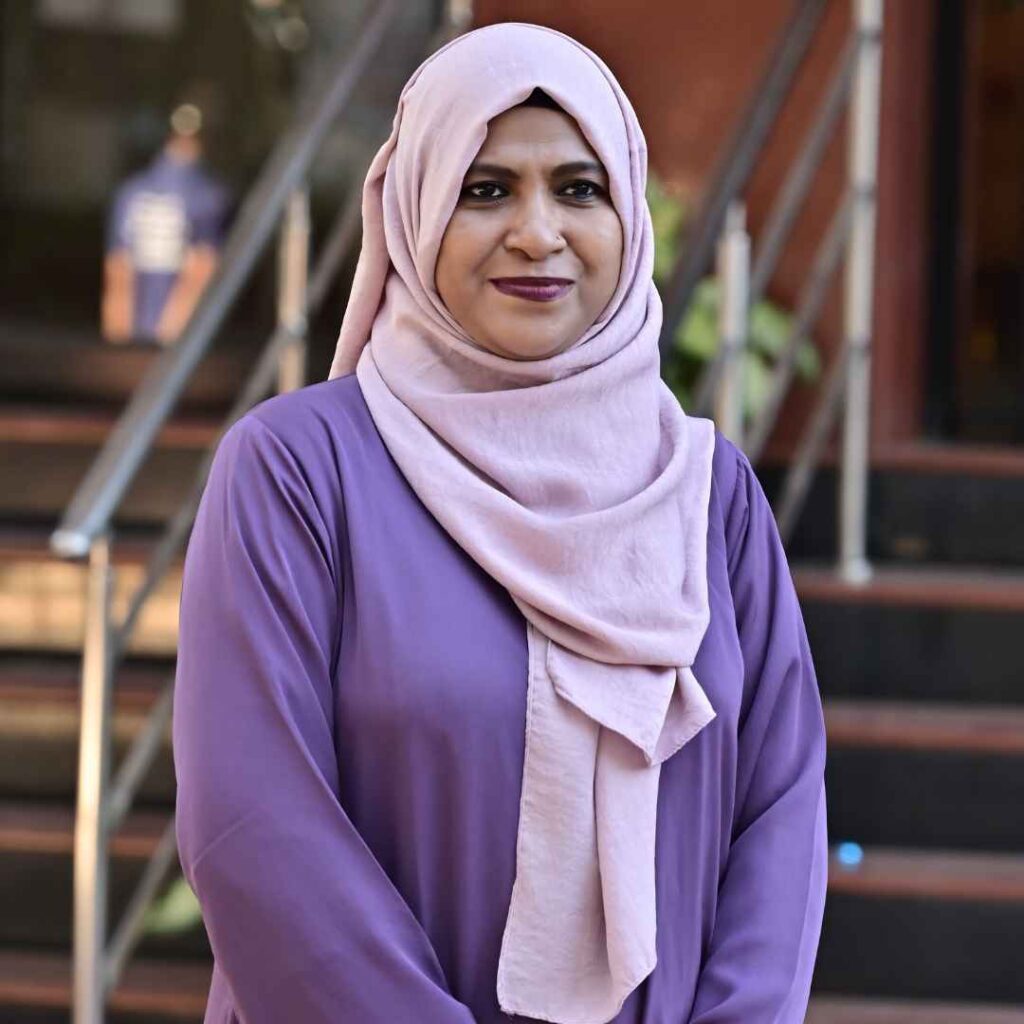
The landscape of higher technical education in India is undergoing a massive structural transformation. For decades, engineering institutions operated within rigid, siloed verticals-focusing strictly on technical competencies, mathematics, and code. However, under the evolving guidelines of the Ministry of Education and the All India Council for Technical Education (AICTE), the corporate and academic worlds are demanding a radical paradigm shift. Modern engineering requires a holistic approach, blending core technical innovation like the Internet of Things (IoT) and Artificial Intelligence with behavioral science, emotional intelligence, and institutional compliance.
To map the operational realities of this multidisciplinary evolution, the India Prime Times editorial team recently traveled through the academic and industrial hubs of Maharashtra. Our objective was to analyze how regional technical institutions are modernizing their curricula to produce industry-ready professionals who possess both technical exactitude and leadership capabilities.
During our on-ground coverage at the Rajiv Gandhi College of Engineering Research & Technology in Chandrapur, our team witnessed an exemplary model of this integrated educational approach. It was here that we observed the profound impact of Dr. Anjum Nazir Qureshi, an Assistant Professor in the Department of Electronics & Communication Engineering.
Watching her seamlessly transition from instructing advanced engineering modules to mentoring student innovators, our team experienced the tangible value of cross-disciplinary expertise. We sat down for an extensive conversation with Dr. Qureshi to discuss the changing metrics of academic excellence and the expanding responsibilities of the 21st-century educator.
The Upstream Innovation: Hard Engineering and Patent Rigor
The foundation of modern technical education relies heavily on active research and intellectual property creation. The contemporary engineering ecosystem no longer rewards passive textbook lecturing. Instead, faculties are expected to lead at the absolute frontier of technology.
Dr. Qureshi’s academic foundation illustrates this research-driven mandate. Holding a PhD in Electronics & Communication Engineering from Kalinga University, her work targets high-stakes domains including Cloud Computing, Wireless Sensor Networks, and Image Processing.
During our interaction, our team reviewed her extensive research portfolio, which now boasts more than 30 peer-reviewed research papers and 12 published book chapters. Her engineering innovations are backed by four distinct patents, including an automated IoT device designed for social distancing protocols and a secure communication framework for healthcare systems leveraging blockchain sidechains and trust-based routing.
This level of rigorous technical execution explains why national bodies rely on regional educators to govern major innovation pipelines. Dr. Qureshi has consistently been tapped as a high-level evaluator for the grand finale of Toycathon and the pre-screening rounds of the Smart India Hackathon-national initiatives engineered to crowdsource solutions for India’s domestic manufacturing and digital needs.
Downstream Integration: The Corporate and Behavioral Mandate
However, hard engineering is only half of the contemporary academic equation. The modern corporate environment requires technical leaders who understand human capital management, legal compliance, and behavioral psychology.
“An engineer who can program an AI model but cannot navigate team dynamics or cross-functional communication is an operational liability for a modern enterprise,” Dr. Qureshi shared during our conversation.
To bridge this gap, the industry is witnessing a significant rise in engineering faculties obtaining credentials in psychological counseling and life coaching. This unique synthesis allows educators to address the severe mental fatigue and communication bottlenecks that often plague technical professionals.
Furthermore, with corporate governance placing immense weight on workplace safety and equity, the demand for certified Prevention of Sexual Harassment (POSH) trainers within academic and corporate frameworks has skyrocketed.
Dr. Qureshi’s career perfectly mirrors this societal shift. As a TEDx speaker, certified life coach, and POSH trainer, she has effectively expanded the boundaries of traditional teaching. She has successfully executed over 500 training sessions and motivational programs globally, addressing and empowering nearly half a million individuals. Her multi-volume literary contributions-ranging from technical textbooks like Internet of Things: A Hands-on Approach to leadership blueprints like 10 Core Life Skills and Mastering Communication Skills-underscore this balance.
During our interview, she highlighted her latest book publication, titled The Fine Line Between, which directly explores the subtle boundaries governing human behavior, professional ethics, and leadership dynamics in high-pressure environments.
Grassroots Impact and Global Advocacy
A critical takeaway from our investigation in Chandrapur is that the ultimate test of an educational framework is its scalability and social utility. Technical literacy must cascade down to empower marginalized and rural demographics, particularly young women aiming to break through traditional socio-economic constraints.
This philosophy is deeply embedded in Dr. Qureshi’s secondary focus on rural development. Her past field experience includes collaborating with interns from Columbia University on rural microplanning and serving as an interpreter and report writer for international documentary films commissioned by UNICEF. This specific project documented the success stories of rural girls under the Deepshika initiative, which subsequently received the Navjyoti Award in Mumbai, illustrating how structured media and academic outreach can drive grassroots socio-economic transformation.
Her active global footprint-serving as a brand ambassador for international gender health initiatives like the Princess Menstrual Cup in South Africa, a global ambassador for the AWTE Intellectual Exchange in Nigeria, and a national anchor for the Preethvi Abhyuday Educators Association India-highlights a growing trend: Indian educators are increasingly serving as international ambassadors for sustainable development, climate action, and educational equity.
Redefining the Academic Benchmark
The accolades generated by this level of systemic impact are highly telling. Listed among the Top 20 Influential Researchers in Indian Higher Education and recognized among the Top 50 Iconic Women and the 10 Women Leaders Redefining Impact in India, Dr. Qureshi’s trajectory signals a broader corporate and academic consensus.
As our time at the Rajiv Gandhi College of Engineering Research & Technology concluded, the true direction of India’s higher education sector became indisputably clear. The institutions that will dominate the coming decades will not be those that treat technology and humanity as separate disciplines. The future belongs to integrated ecosystems where engineering precision meets deep psychological insight. By engineering patents while simultaneously coaching the minds that will deploy them, visionary educators are ensuring that India’s tech boom remains profoundly resilient, ethically grounded, and human-centered.