
From Scalpels to Algorithms: How Dr. Vivek Viswanathan is Pioneering AI and Robotic Paediatric Surgery in India
4 min read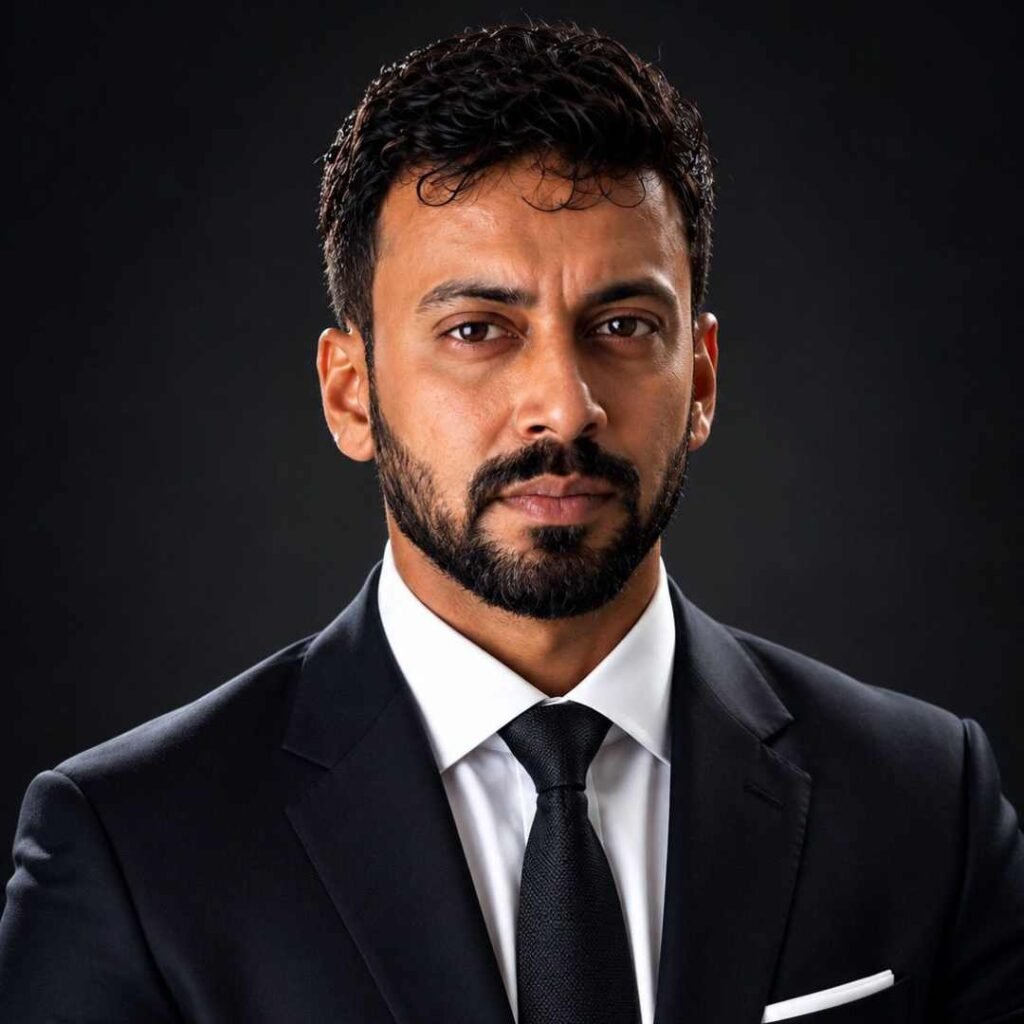
In the high-stakes realm of modern medicine, operating on an infant or a young child represents one of the most complex clinical challenges a healthcare system can face. Historically, pediatric surgery involved significant incisions, prolonged hospital stays, and high levels of anxiety for parents navigating an intimidating medical landscape. However, the Indian healthcare sector is currently witnessing a monumental structural shift. Driven by the rapid adoption of surgical robotics, minimally invasive laparoscopy, and, most recently, artificial intelligence (AI), the pediatric operating theatre is being fundamentally redesigned.
To investigate how these global technological advancements are taking root and scaling beyond India’s traditional metropolitan healthcare hubs, the India Prime Times editorial team recently traveled to Vadodara, Gujarat. Our objective was to map the integration of advanced robotic surgical platforms within regional pediatric care centers and academic institutions.
During our on-ground coverage of the city’s evolving medical infrastructure, our team observed a highly sophisticated surgical unit operating with remarkable precision at Bhailal Amin General Hospital and the affiliated facilities of Sumandeep Vidyapeeth. The clinical outcomes were striking: complex urological reconstructions were resulting in scars smaller than a fingernail, with young patients frequently returning home the very next day.
This exceptional standard of care led us directly to the architect of these protocols. We had the distinct opportunity to meet and converse with Dr. Vivek Viswanathan, a highly acclaimed Consultant Paediatric Urologist, Robotic Surgeon, and Assistant Professor of Paediatric Surgery. Struck by his seamless integration of deep-tech innovation with profound clinical empathy, our editorial desk sat down with Dr. Vivek to decode the future of pediatric surgery and the transformative role of AI in Indian healthcare.
The Minimally Invasive Revolution
During our interaction, the core philosophy driving the modern pediatric surgical sector became immediately apparent. The days of expansive, highly traumatic open surgeries for congenital disorders are rapidly coming to an end.
“Children are not simply miniature adults; they require healthcare specifically engineered around their unique physiological and psychological needs,” Dr. Vivek explained to the India Prime Times team. “When a parent hands over their child at the doors of the operating room, the trust placed in the surgical team is absolute. Our mandate is to honor that trust by utilizing the least invasive, most precise technology available.”
This commitment to precision is backed by an elite academic and technical pedigree. A consistent Gold Medalist from his MBBS days to his Master’s in Minimal Access Surgery (M.MAS), Dr. Vivek holds advanced fellowships, including the Fellowship of the International College of Robotic Surgeons (FICRS). His clinical expertise spans highly complex pediatric urology-treating conditions such as hypospadias, vesicoureteral reflux (VUR), and antenatal hydronephrosis.
Our team noted that his previous tenure at Mumbai’s Kokilaben Dhirubhai Ambani Hospital-one of India’s premier robotic surgery centers-laid the technical foundation that he is now aggressively scaling in Vadodara. By utilizing robotic platforms, surgeons can achieve a 3D, high-definition view of a child’s internal anatomy, allowing for micro-suturing in confined spaces that human hands simply cannot navigate with the same level of dexterity.
The AI Leap: A Guinness World Record
While surgical robotics represent the mechanical evolution of the operating room, the cognitive evolution is being driven by Artificial Intelligence. This is where Dr. Vivek’s profile transitions from an elite surgeon to an industry pioneer.
The integration of AI in pediatric healthcare is no longer a futuristic concept; it is an active clinical tool being used for diagnostic imaging, predictive analytics, and surgical planning. Dr. Vivek is at the absolute forefront of this movement. Recently, he was officially recognized by Guinness World Records for his participation in the largest healthcare AI event in history-a milestone that highlighted the global medical community’s pivot toward intelligent healthcare systems.
“From the scalpel to silicon, the future of medicine is already here,” he noted during our conversation, reflecting on the milestone. “AI is not here to replace the surgeon; it is here to augment our capabilities. If a machine learning algorithm can help me make a more precise clinical decision at 2 AM, or catch a micro-anomaly in a scan that might have been overlooked, then it absolutely belongs in my clinic. Technology must strengthen the human connection in medicine, not dilute it.”
Democratizing Medical Knowledge
Beyond the operating table, a significant industry challenge remains: the communication gap between surgeons and parents. The medical terminology surrounding congenital anomalies often leaves families frightened and confused.
Recognizing this critical void, Dr. Vivek has effectively stepped out of the traditional surgical silo to become a highly active healthcare communicator. The India Prime Times team was particularly impressed by his dedication to digital health literacy. He manages an extensive library of blogs, articles, and video content aimed at demystifying pediatric surgery for the layman. By breaking down complex topics-from explaining robotic hypospadias repairs to dispelling myths about childhood fevers and post-operative scars-he empowers parents to make informed, confident decisions regarding their children’s health.
Educating the Next Generation
The sustainability of India’s medical advancement relies heavily on academic integration. As an Assistant Professor at Sumandeep Vidyapeeth, a NAAC A++ deemed university, Dr. Vivek bridges the gap between the operating theater and the lecture hall. By mentoring postgraduate DrNB and MS residents in advanced laparoscopic and robotic techniques, he is actively engineering the next generation of pediatric surgeons to be digitally fluent and technologically advanced.
As our time with Dr. Vivek Viswanathan concluded, the broader trajectory of India’s pediatric healthcare sector came into sharp focus. The industry is moving rapidly toward an ecosystem where surgical excellence is standard, AI-driven diagnostics are commonplace, and patient communication is prioritized.
For industry watchers and healthcare administrators, the blueprint being executed in Vadodara is clear. By combining elite robotic surgical skills with the analytical power of artificial intelligence and the compassion of dedicated patient education, pioneers like Dr. Vivek are proving that the future of pediatric healthcare is not just highly intelligent-it is deeply human.